
Hambergite
| Be |
| BO |
| (OH) |
- Mohs hardness
- 7.5
- Refractive index
- 1.543–1.631
- Specific gravity
- 2.33–2.37
- Birefringence
- 0.071–0.074
- Dispersion
- 0.015
- Crystal system
- Orthorhombic
- Optical character
- Biaxial
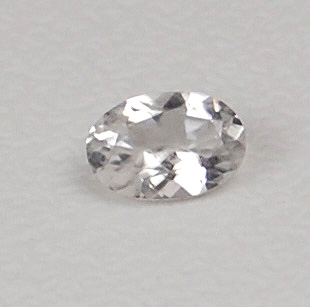
Madagascar is an important source for facet-grade rough of this rare gem. Flawless stones are unusual and the perfect cleavages frequently cause problems for facetier. Rough pieces seldom exceed 4 grams.
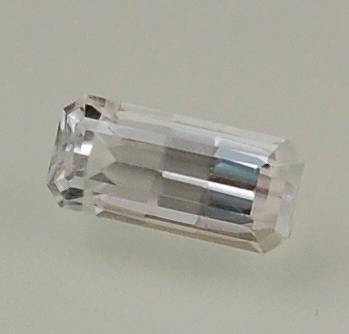
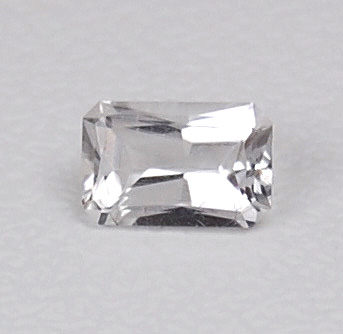
Colours
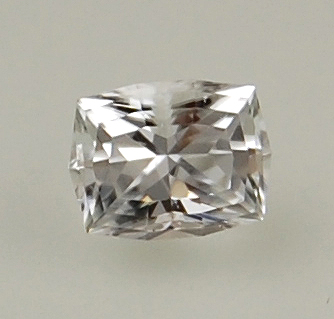
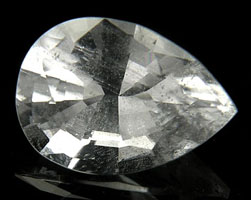
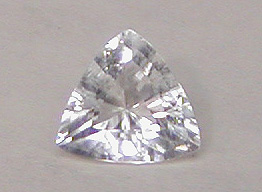
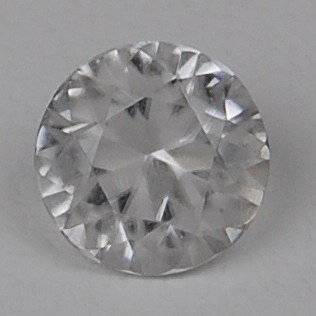
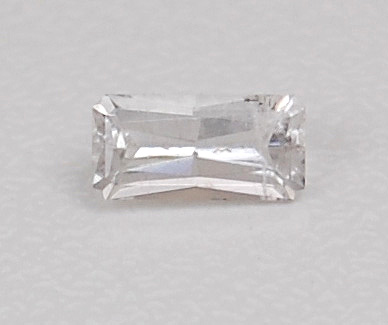
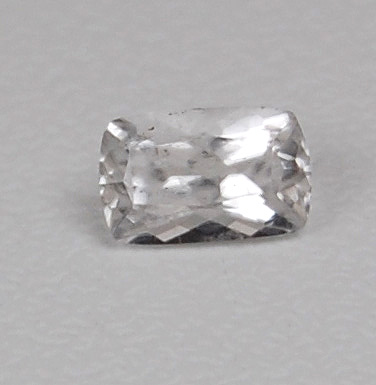
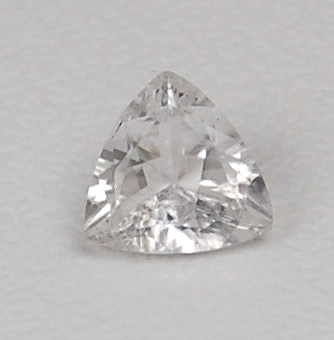
The colours of Hambergite on this site, from 14 graded photos. Choose a colour to see all of its photos.
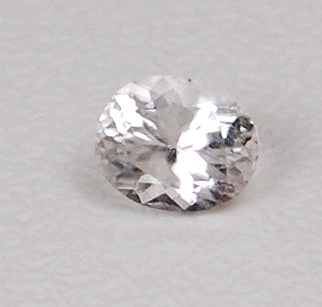
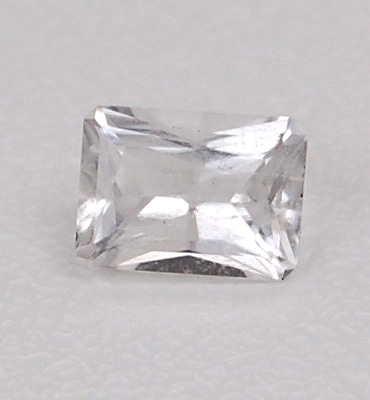
Cuts
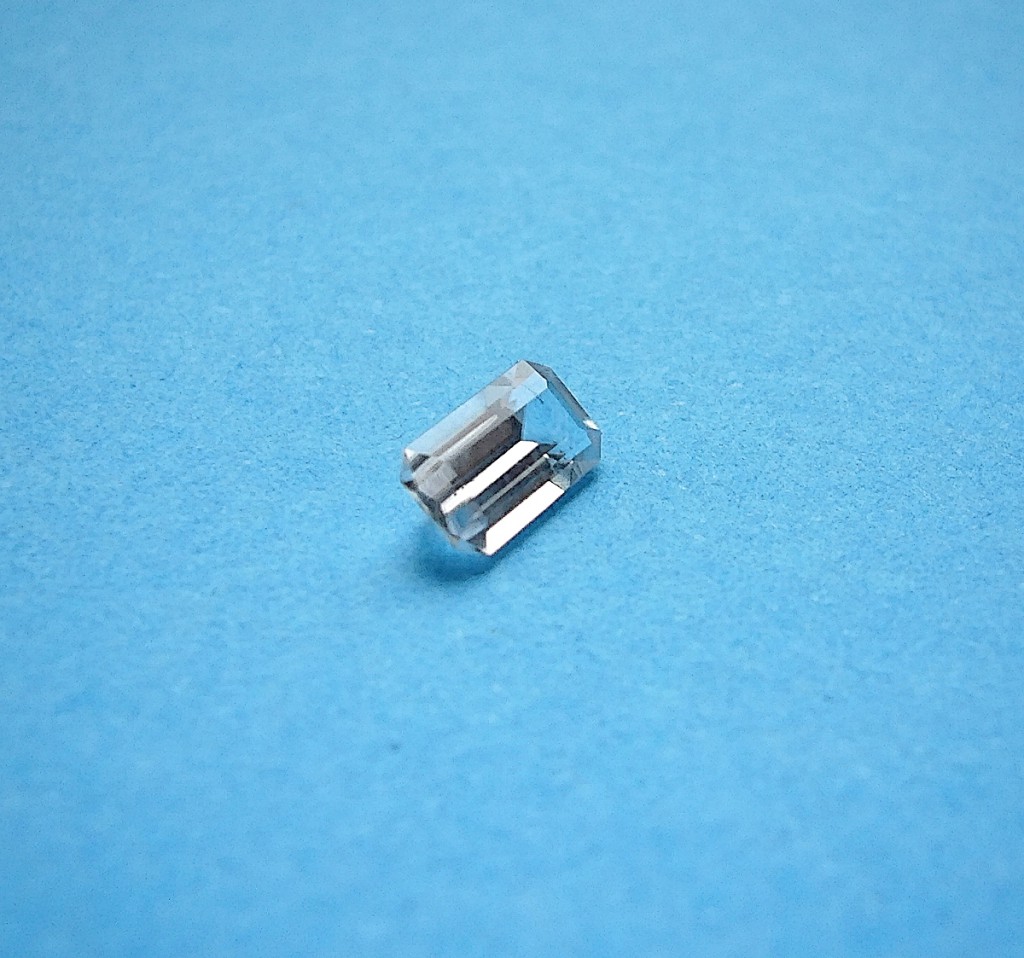
Sizes
Weights of the 15 photographed Hambergite gems on this site, a guide to how readily it is found in larger sizes. The scale is logarithmic. Choose a bar to see those gems.
Have a larger Hambergite? Add a photo.
Identification notes
From the Gray Gem ID Database.
Madagascar is an important source for facet-grade rough of this rare gem. Flawless stones are unusual and the perfect cleavages frequently cause problems for faceter. Rough pieces seldom exceed 4 grams.
Name: Named in honor of Swedish mineralogist A. Hamberg.
- Rarity
- Rare
- Chemical class
- Borate
- Formula
- Be₂BO₃(OH,F)
- Critical angle (°)
- 43.2
- Dispersion (B–G)
- 0.0142
- Dispersion (C–F)
- 0.0076–0.0077
- Doubling
- 0.029 mm per 1 mm depth (approx.)
- Crystal class
- Rhombic Dipyramidal
Care
- Heat
- low
References (1)
- Anthony, J.W., Bideaux, R.A., Bladh, K.W. and Nichols, M.C. (1990–2003) Handbook of Mineralogy. Chantilly, VA, Mineralogical Society of America, 5 Vols.
Reference spectra
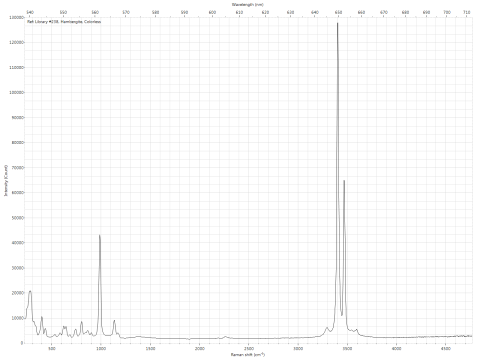
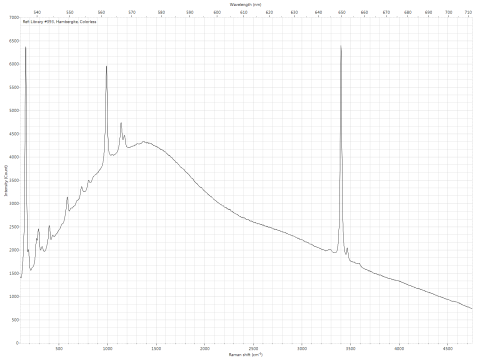
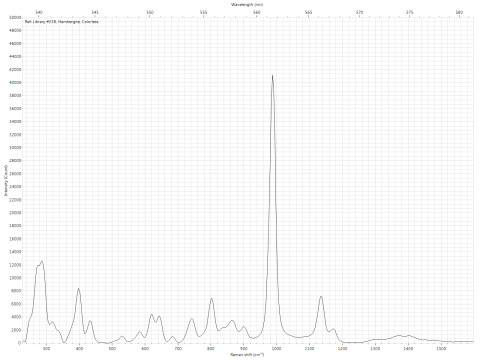
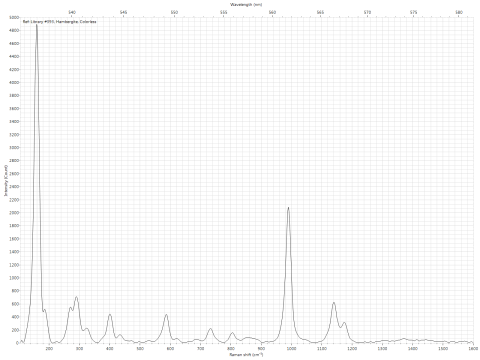
4 spectra of documented Hambergite reference stones (2 PL, 2 Raman). From the Gray Gem ID Database.
General information
| Chemical Formula |
|
|---|
Physical properties
| Mohs Hardness | 7.5, Blue Chart Gem Identification (2010) More from other references |
|---|---|
| Specific Gravity | 2.33 to 2.37, Blue Chart Gem Identification (2010) More from other references |
| Tenacity | Brittle, Blue Chart Gem Identification (2010) More from other references |
| Cleavage Quality | Perfect, Blue Chart Gem Identification (2010) More from other references |
| Fracture | Conchoidal, Gemstones of the world (2001) More from other references |
Optical properties
| Refractive Index | 1.543 to 1.631, Blue Chart Gem Identification (2010) More from other references |
|---|---|
| Optical Character | Biaxial/+, Blue Chart Gem Identification (2010) More from other references |
| Birefringence | 0.071 to 0.074, Blue Chart Gem Identification (2010) DoublingMore from other references |
| Pleochroism | Nil, Gemstones (2009) |
| Dispersion | 0.015, Gemstones (2009) More from other references |
Colour
| Colour (General) | Colourless, gray-white, yellow-white, Gemstones of the world (2001) More from other references |
|---|---|
| Transparency | Transparent,Translucent, Blue Chart Gem Identification (2010) More from other references |
| Lustre | Vitreous, Gemstones (2009) |
Fluorescence & other light emissions
| Fluorescence (General) | Mostly inert, rarely orange, Blue Chart Gem Identification (2010) |
|---|
Crystallography
| Crystal System | Orthorhombic, Blue Chart Gem Identification (2010) More from other references |
|---|---|
| Habit | Prismatic, Gems, Sixth Edition (2006) More from other references |
Geological environment
| Where found: | Occurs in granite pegmatites, Gems, Sixth Edition (2006) |
|---|
Localities
1 of 1 localities mapped · dashed orange markers are approximate · compare with other gems on the map
| |||||||