
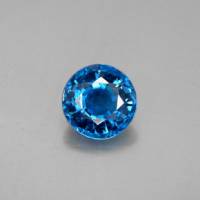
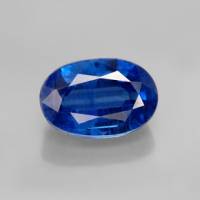
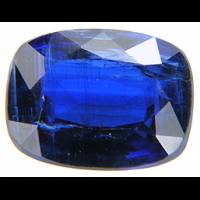
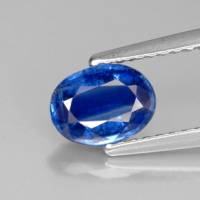
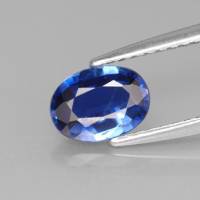
Kyanite (Cyprine)
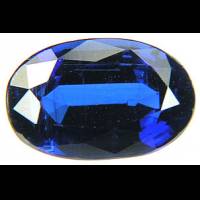
Nepal
3.03 carats
© Mineral Classics
Kyanite has a wide variations of hardness in the same crystal depending on direction (across or along axes). It complicates the cutting of this material.
Cut stones reach 10 - 15 carats. Varieties with alexandrite effect and cat's eye are known.
Kyanite Gemstones by Colour
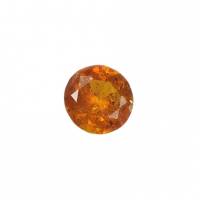
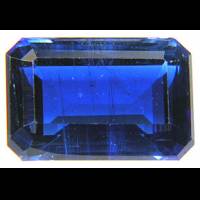
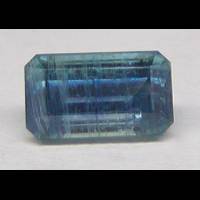
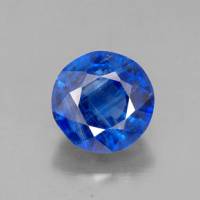
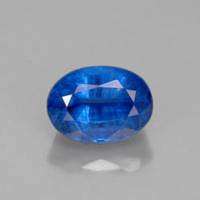
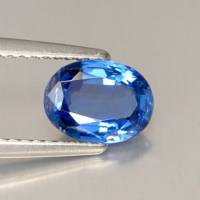
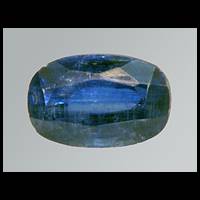
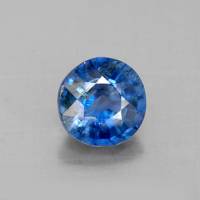
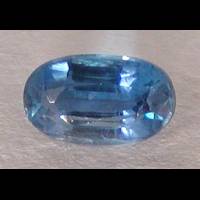
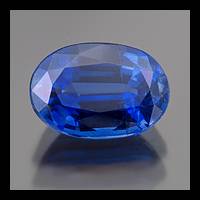
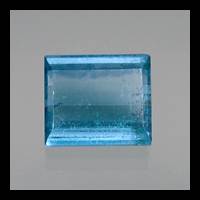
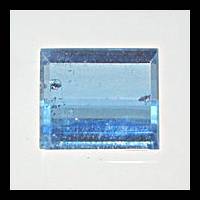
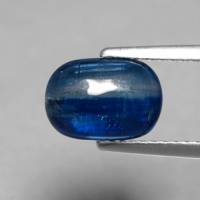
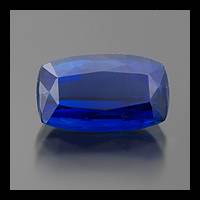
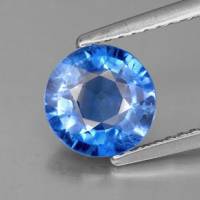
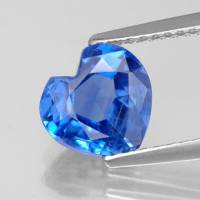
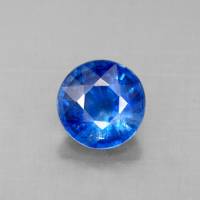
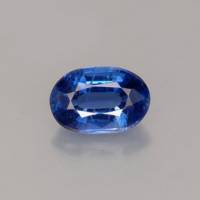
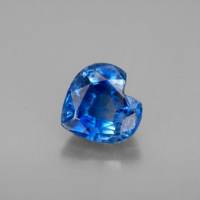
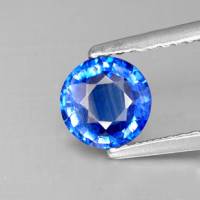
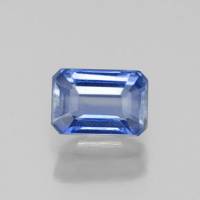
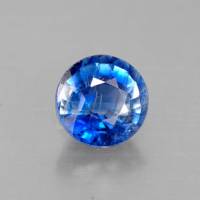
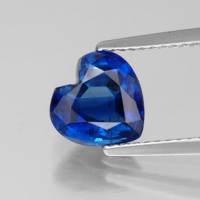
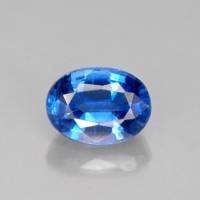
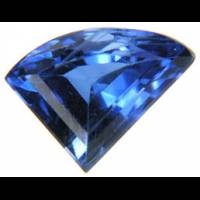
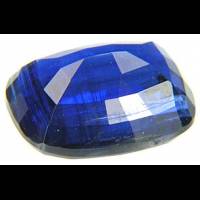
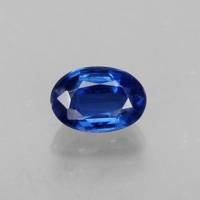
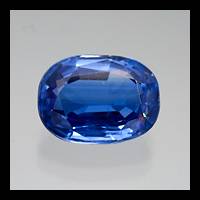
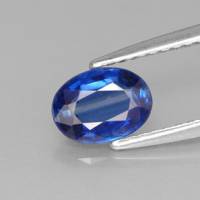
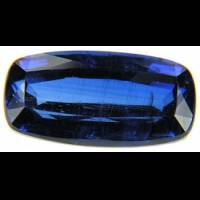
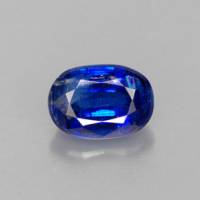
This table shows the variety of hues this gemstone can be found in. Click on a photo for more information.
 |
 |  |  |  |  |  |  |  |  |  |  |
 |  |  |  |  |  |  |  |  |  |  |  |  |  |  |  |
|  |  |  |  |  |  |  |  |  |  |  | 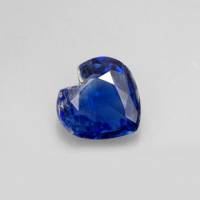 | 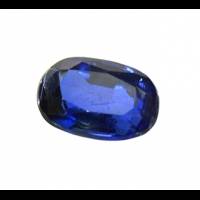 |
Kyanite Gemstones by Size
This table shows distribution of Kyanite gemstone sizes that are listed on this site. This can give a good indication as to the general availability of this gemstone in different sizes.
Contributed photos
Lightest:0.34 cts
Heaviest:9.48 cts
Average:2.40 cts
Total photos:52
Do you have a larger Kyanite? Why not upload a photo?
| General Information | ||||||||||||||||||||||
|---|---|---|---|---|---|---|---|---|---|---|---|---|---|---|---|---|---|---|---|---|---|---|
| Other Names/Trade Names: | ||||||||||||||||||||||
| Chemical Formula |
| |||||||||||||||||||||
| Kyanite Treatments | ||||||||||||||||||||||
| Pale blue kyanite (also known as cyanite or disthene) is reported to lose its color on heating to 1200°C (Smith et al, 1978) - Nassau (1984) | ||||||||||||||||||||||
| Physical Properties of Kyanite | ||||||||||||||||||||||
| Mohs Hardness | 4 to 7, Gemstones of the world (2001) 4 - 4.5 along axes; 6 - 7 across axesMore from other references | |||||||||||||||||||||
| Specific Gravity | 3.55 to 3.70, Blue Chart Gem Identification (2010) More from other references | |||||||||||||||||||||
| Tenacity | Brittle, Gemstones of the world (2001) | |||||||||||||||||||||
| Cleavage Quality | Perfect, Gemmological Tables (2004) More from other references | |||||||||||||||||||||
| Fracture | Splintery, Gemstones (2009) | |||||||||||||||||||||
| Optical Properties of Kyanite | ||||||||||||||||||||||
| Refractive Index | 1.710 to 1.735, Blue Chart Gem Identification (2010) More from other references | |||||||||||||||||||||
| Optical Character | Biaxial/+,-, Blue Chart Gem Identification (2010) More from other references | |||||||||||||||||||||
| Birefringence | 0.012 to 0.033, Blue Chart Gem Identification (2010) More from other references | |||||||||||||||||||||
| Pleochroism | Blue stones - strong trichroism: colorless/pale blue - (greenish or violet)-blue - dark blue, Blue Chart Gem Identification (2010) More from other references | |||||||||||||||||||||
| Dispersion | 0.020, Gemstones (2009) | |||||||||||||||||||||
| Chatoyancy | Rare, Blue Chart Gem Identification (2010) More from other references | |||||||||||||||||||||
| Colour | ||||||||||||||||||||||
| Colour (General) | Blue, blue-green, green, brown, yellow, red, colourless, Gemmological Tables (2004) More from other references | |||||||||||||||||||||
| Causes of Colour | Blue, Fe2+-O-Ti4+ charge transfer, Fe2+-O-Fe3+ charge transfer, Fe2+ and Fe3+ in octahedral coordination can all be involved, with contribution from Cr3+ in octahedral coordination. Green, V3+ in octahedral coordination; Fe3+ in octahedral coordination. Orange, Mn3+. Color change, Cr3+ in octahedral coordination, Pragmatic Spectroscopy For Gemologists (2011) | |||||||||||||||||||||
| Transparency | Transparent,Translucent, Gemstones of the world (2001) More from other references | |||||||||||||||||||||
| Lustre | Vitreous,Pearly, Gemstones (2009) More from other references | |||||||||||||||||||||
| Fluorescence & other light emissions | ||||||||||||||||||||||
| Fluorescence (General) | Weak; red, Gemstones of the world (2001) | |||||||||||||||||||||
| Fluorescence (Long-Wave UV) | Blue: usually reddish, Blue Chart Gem Identification (2010) More from other references | |||||||||||||||||||||
| Crystallography of Kyanite | ||||||||||||||||||||||
| Crystal System | Triclinic, Blue Chart Gem Identification (2010) More from other references | |||||||||||||||||||||
| Habit | Often fibrous, Blue Chart Gem Identification (2010) More from other references | |||||||||||||||||||||
| Geological Environment | ||||||||||||||||||||||
| Where found: | Kyanite occurs in gneisses and schists and in granite pegmatites., Gems, Sixth Edition (2006) | |||||||||||||||||||||
| Further Information | ||||||||||||||||||||||
| Mineral information: | Kyanite information at mindat.org | |||||||||||||||||||||
| Significant Gem Localities | ||||||||||||||||||||||
| ||||||||||||||||||||||