

Pollucite
Specimen ID: CD-G47-T3
Pollucite : (Cs,Na)2(Al2Si4O12)·2H2O
Mindat locality:
7.50mm x 7.50mm
weight: 1.6 carats
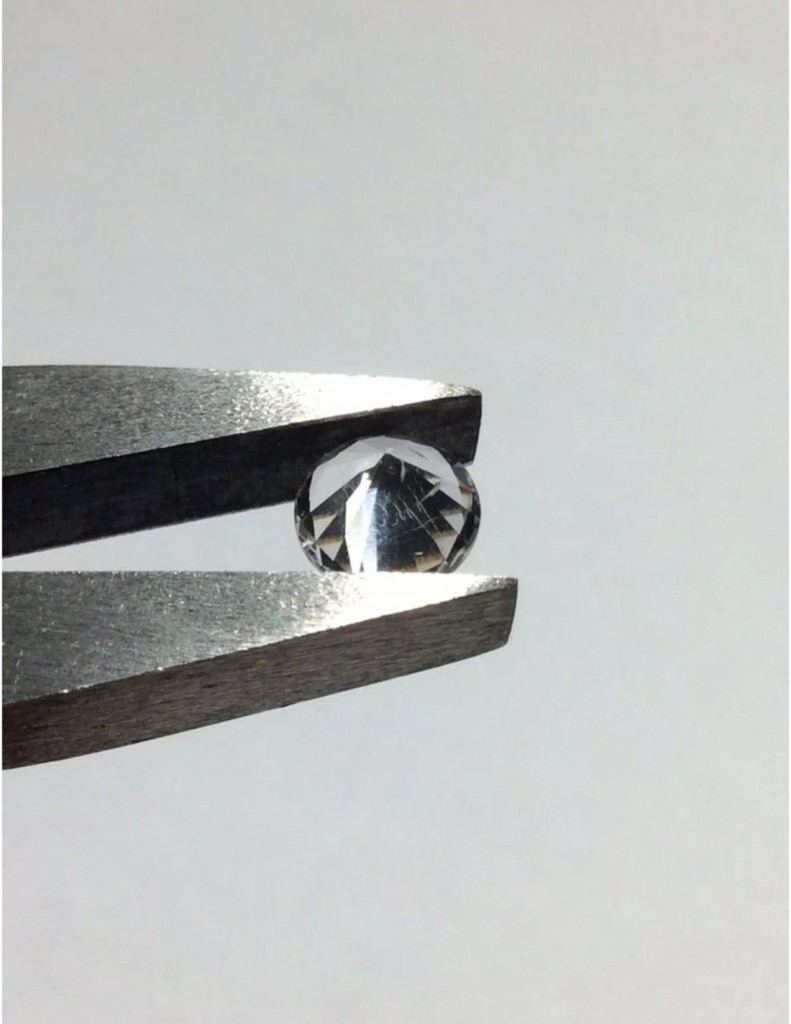
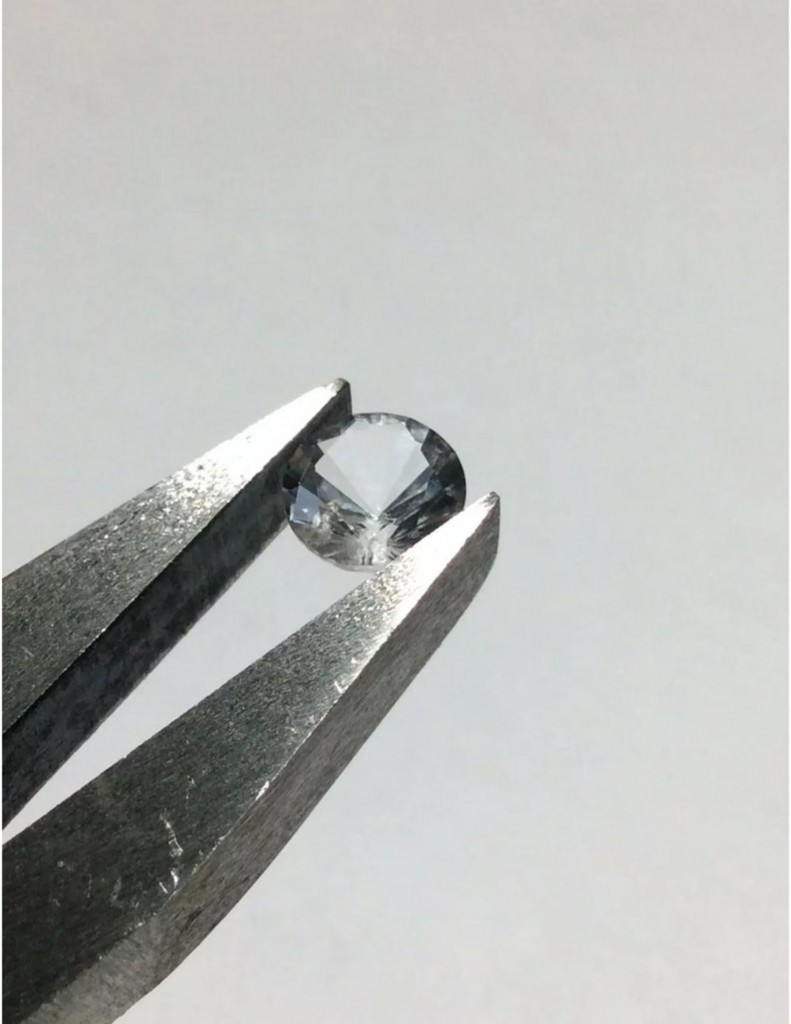
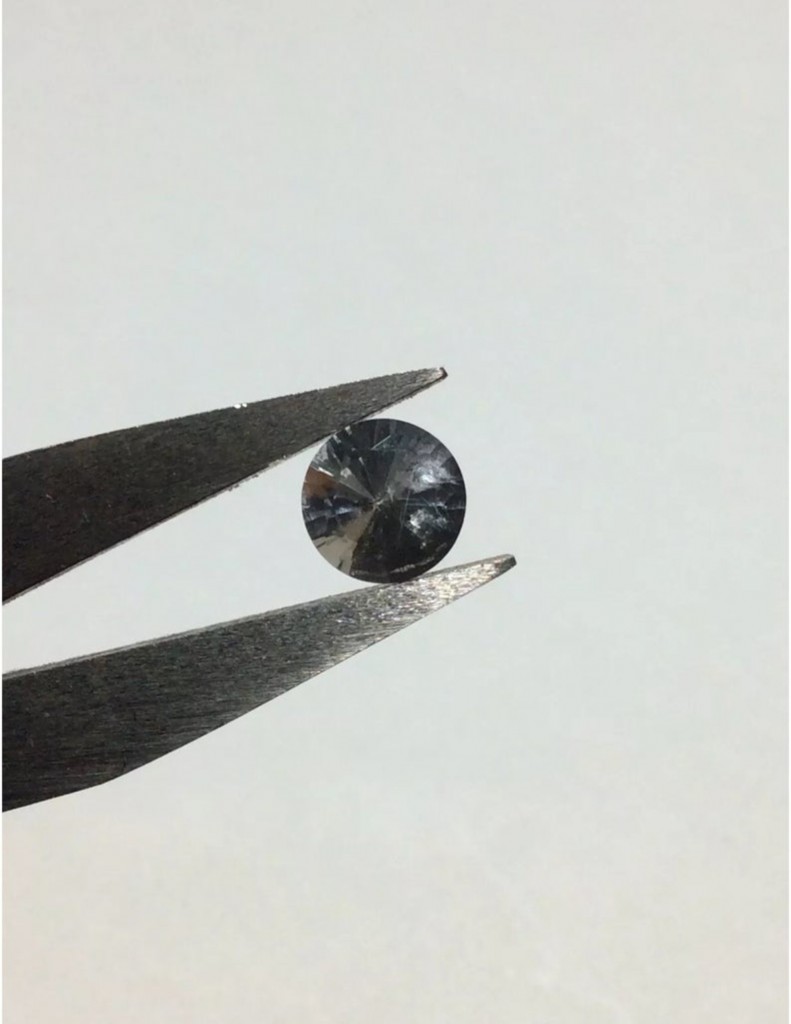
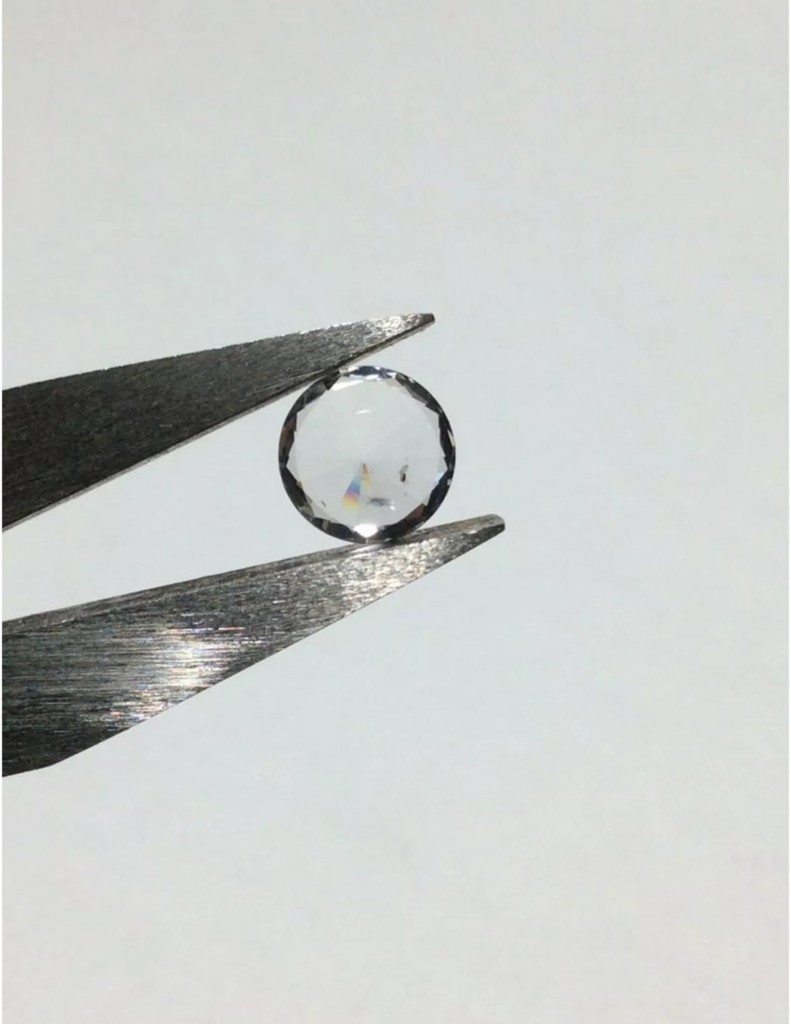
Entirely natural and untreated, it has very good clarity with just a few natural inclusions with good dispersion. Pollucite (a zeolite) is a rare mineral with iron, calcium, rubidium and potassium as common substituting elements. It is important as a significant ore of caesium and sometimes rubidium and forms a solid solution series with analcime.
Pollucite was first described by August Breithaupt in 1846 for occurrences on the island of Elba, Italy. It is named for Pollux, the twin of Castor on the grounds that it is often found associated with petalite (previously known as castorite). The high caesium content was missed in the first analysis by Karl Friedrich Plattner in 1848, but after the discovery of caesium in 1860 a second analysis in 1864 was able to show the high caesium content of pollucite. Its typical occurrence is in lithium-rich granite pegmatites. About 82% of the world's known reserves of pollucite occur near Bernic Lake in Manitoba, Canada, where they are mined for their caesium content for use in caesium formate oil drilling assistance. This ore is about 20% by weight caesium.
Gem(s)
10,905 gemdatIDs issued as of 29 November 2026