
Birthstones
A gemstone for each month of the year. The idea goes back to the twelve stones of the High Priest's breastplate in the Book of Exodus; the list most jewellers use today was agreed by American jewellers in 1912, and other countries and traditions have lists of their own. Choose a stone to see its properties, localities and photographs.
Every month
The list adopted by the National Association of Jewelers (now Jewelers of America) in 1912, with the stones added since: alexandrite, tourmaline, citrine and zircon in 1952, tanzanite in 2002 and spinel in 2016. It is the list most jewellers use.
January
February
March
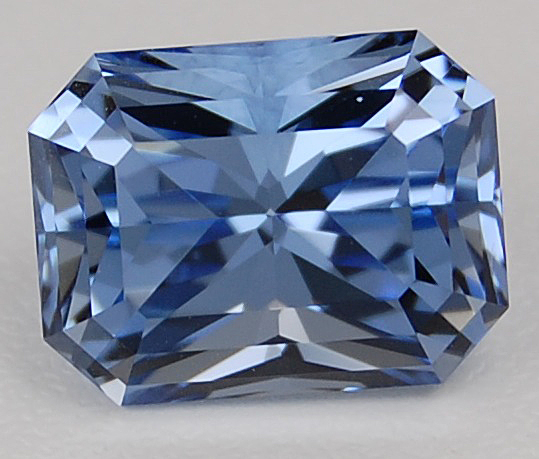
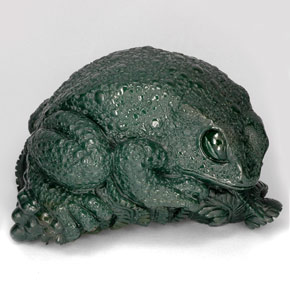
April
May
June
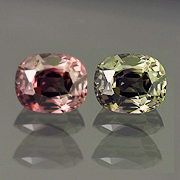
July
August
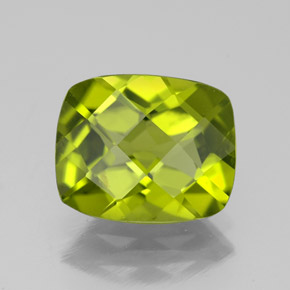
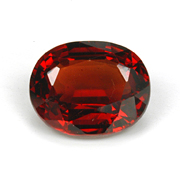
September
October
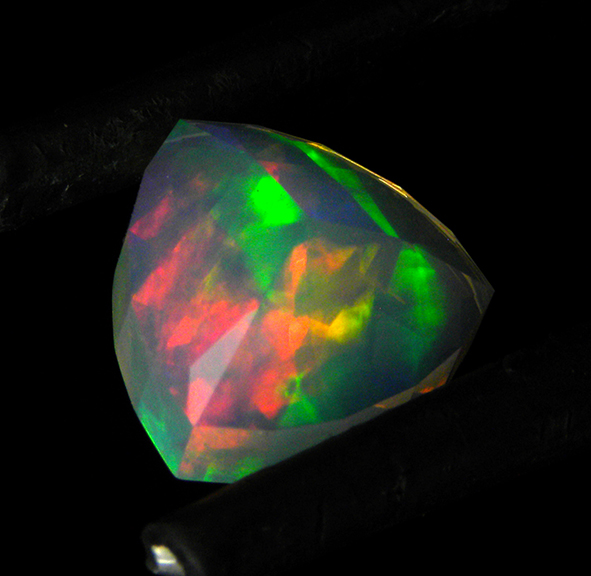
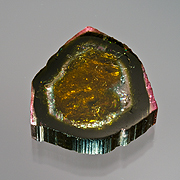
November
December
The Navaratna
In Hindu and Southeast Asian tradition the navaratna, the “nine gems”, stand for the nine celestial bodies of Hindu astrology. Set together in a traditional pattern, with ruby at the centre, they appear in jewellery and royal regalia from India to Thailand.
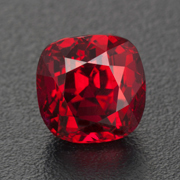 SunRuby
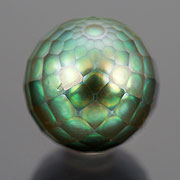 MoonPearl
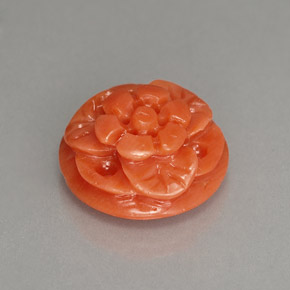 MarsCoral
 MercuryEmerald
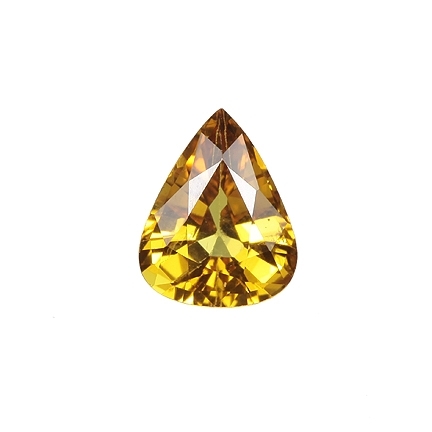 JupiterYellow sapphire
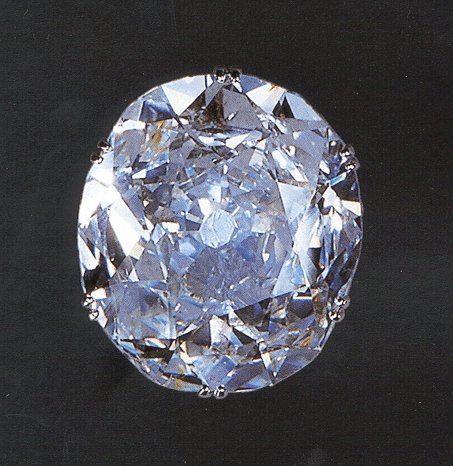 VenusDiamond
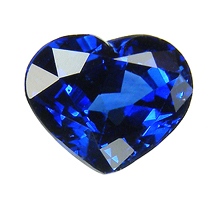 SaturnBlue sapphire
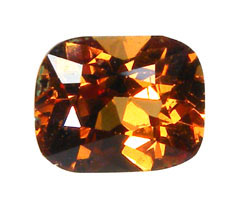 Rahu (ascending lunar node)Hessonite
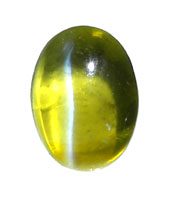 Ketu (descending lunar node)Cat's-eye chrysoberyl
All the lists compared
- Modern
- The list adopted by the National Association of Jewelers (now Jewelers of America) in 1912, with the stones added since: alexandrite, tourmaline, citrine and zircon in 1952, tanzanite in 2002 and spinel in 2016. It is the list most jewellers use.
- Traditional
- The older one-stone-a-month list from which the modern list grew.
- British
- The list of the National Association of Goldsmiths (now the National Association of Jewellers), last revised in 2013.
- Mystical
- A list said to come from Tibetan tradition more than a thousand years old.
- Ayurvedic
- The month stones of Hindu tradition, from the Ayurvedic system of medicine.
Birthstone lists are customs rather than standards: jewellers often add further alternatives, and zodiac and day-of-the-week stones vary too widely between sources to give a single list.