
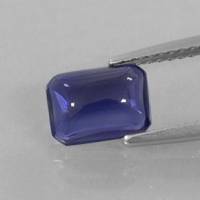
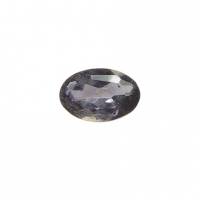
Cordierite (Iolite)
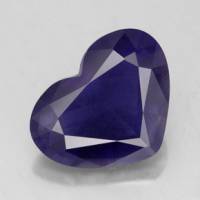
Madagascar
4.26 carats
© gemselect.com
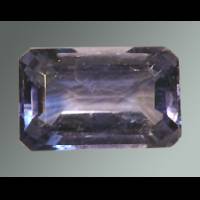
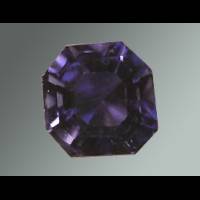
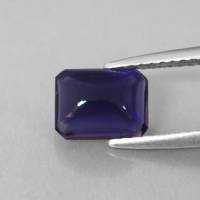
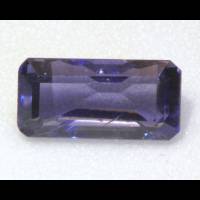
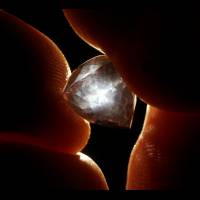
Cordierite is famous for its remarkable trichroism: deep violet-blue (looking down the length of the prism) - blue-gray or yellowish-brown (when viewed through the sides). Oriented correctly Cordierite can be cut into attractive deep blue faceted gems.
"Bloodshot Iolite" originates from Sri Lanka. It has a distinct reddish sheen or aventurescence, caused by hematite and goethite inclusions.
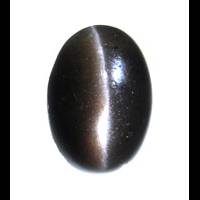
Varieties with Cat's eye effect and weak asterism are known.
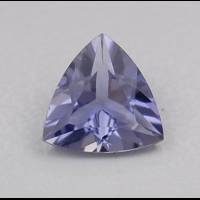
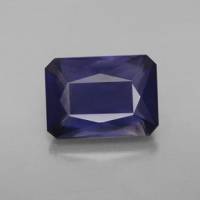
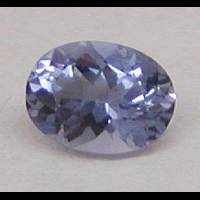
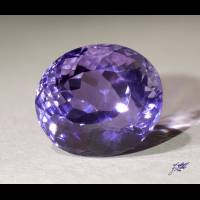
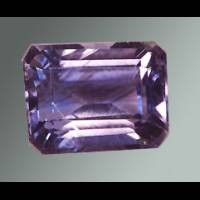
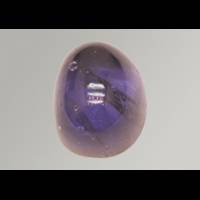
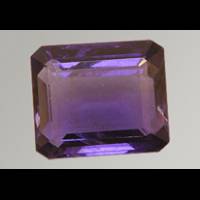
Cordierite Gemstones by Colour
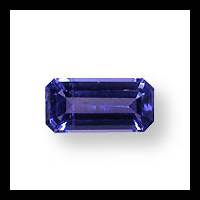
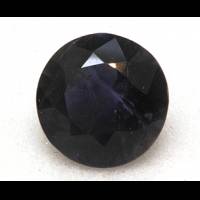
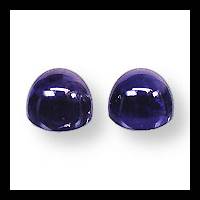
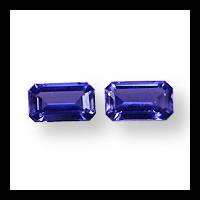
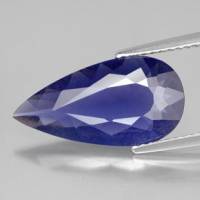
This table shows the variety of hues this gemstone can be found in. Click on a photo for more information.
 |  |
|  |  |  |  |  |  |  |  |  |  |  |  |  |  |  |
 |  |  |  |  |
 |
Cordierite Gemstones by Size
This table shows distribution of Cordierite gemstone sizes that are listed on this site. This can give a good indication as to the general availability of this gemstone in different sizes.
Contributed photos
Lightest:0.19 cts
Heaviest:10.43 cts
Average:2.47 cts
Total photos:55
Do you have a larger Cordierite? Why not upload a photo?
| General Information | ||||||||||||||||||||||||||||||||||||||||||||||||||||||||||||||||
|---|---|---|---|---|---|---|---|---|---|---|---|---|---|---|---|---|---|---|---|---|---|---|---|---|---|---|---|---|---|---|---|---|---|---|---|---|---|---|---|---|---|---|---|---|---|---|---|---|---|---|---|---|---|---|---|---|---|---|---|---|---|---|---|---|
| Other Names/Trade Names: | ||||||||||||||||||||||||||||||||||||||||||||||||||||||||||||||||
| Chemical Formula |
| |||||||||||||||||||||||||||||||||||||||||||||||||||||||||||||||
| Physical Properties of Cordierite | ||||||||||||||||||||||||||||||||||||||||||||||||||||||||||||||||
| Mohs Hardness | 7 to 7.5, Blue Chart Gem Identification (2010) More from other references | |||||||||||||||||||||||||||||||||||||||||||||||||||||||||||||||
| Specific Gravity | 2.56 to 2.66, Blue Chart Gem Identification (2010) More from other references | |||||||||||||||||||||||||||||||||||||||||||||||||||||||||||||||
| Tenacity | Brittle, Gemstones of the world (2001) | |||||||||||||||||||||||||||||||||||||||||||||||||||||||||||||||
| Cleavage Quality | Good, Gemstones of the world (2001) | |||||||||||||||||||||||||||||||||||||||||||||||||||||||||||||||
| Fracture | Uneven,Conchoidal, Gemstones of the world (2001) | |||||||||||||||||||||||||||||||||||||||||||||||||||||||||||||||
| Optical Properties of Cordierite | ||||||||||||||||||||||||||||||||||||||||||||||||||||||||||||||||
| Refractive Index | 1.542 to 1.578, Gemstones of the world (2001) More from other references | |||||||||||||||||||||||||||||||||||||||||||||||||||||||||||||||
| Optical Character | Biaxial/+,-, Blue Chart Gem Identification (2010) More from other references | |||||||||||||||||||||||||||||||||||||||||||||||||||||||||||||||
| Birefringence | 0.008 to 0.012, Blue Chart Gem Identification (2010) More from other references | |||||||||||||||||||||||||||||||||||||||||||||||||||||||||||||||
| Pleochroism | Strong trichroism: colorless to yellowish - pale blue - dark (violet)-blue, Blue Chart Gem Identification (2010) More from other references | |||||||||||||||||||||||||||||||||||||||||||||||||||||||||||||||
| Dispersion | 0.017, Gemstones of the world (2001) | |||||||||||||||||||||||||||||||||||||||||||||||||||||||||||||||
| Chatoyancy | Yes, Gemmological Tables (2004) | |||||||||||||||||||||||||||||||||||||||||||||||||||||||||||||||
| Colour | ||||||||||||||||||||||||||||||||||||||||||||||||||||||||||||||||
| Colour (General) | Mostly (violet)-blue, Blue Chart Gem Identification (2010) More from other references | |||||||||||||||||||||||||||||||||||||||||||||||||||||||||||||||
| Causes of Colour | Violet to blue, Fe2+-O-Fe3+ charge transfer. Red, hematite and/or lepidocrocite inclusions, Pragmatic Spectroscopy For Gemologists (2011) | |||||||||||||||||||||||||||||||||||||||||||||||||||||||||||||||
| Transparency | Transparent,Translucent, Gemstones of the world (2001) More from other references | |||||||||||||||||||||||||||||||||||||||||||||||||||||||||||||||
| Lustre | Vitreous,Greasy, Gemstones of the world (2001) | |||||||||||||||||||||||||||||||||||||||||||||||||||||||||||||||
| Fluorescence & other light emissions | ||||||||||||||||||||||||||||||||||||||||||||||||||||||||||||||||
| Fluorescence (General) | None, Gemstones of the world (2001) | |||||||||||||||||||||||||||||||||||||||||||||||||||||||||||||||
| Crystallography of Cordierite | ||||||||||||||||||||||||||||||||||||||||||||||||||||||||||||||||
| Crystal System | Orthorhombic, Blue Chart Gem Identification (2010) More from other references | |||||||||||||||||||||||||||||||||||||||||||||||||||||||||||||||
| Habit | Short prismatic crystals and may be pseudohexagonal, Gems, Sixth Edition (2006) | |||||||||||||||||||||||||||||||||||||||||||||||||||||||||||||||
| Geological Environment | ||||||||||||||||||||||||||||||||||||||||||||||||||||||||||||||||
| Where found: | Most gem material occurs as water-worn pebbles. Apart from alluvial, occurs in a variety of environments, including altered aluminous and igneous rocks., Gems, Sixth Edition (2006) | |||||||||||||||||||||||||||||||||||||||||||||||||||||||||||||||
| Inclusions in Cordierite | ||||||||||||||||||||||||||||||||||||||||||||||||||||||||||||||||
| Tabular parallel brownish-red iron oxide: may cause glittery effect (bloodshot iolite) - Blue Chart Gem Identification, Herve Nicolas Lazzarelli, 2010, p 6 Inclusions: hematite, rutile, apatite, mica, etc. - Gemmological Tables, Ulrich Henn and Claudio C. Milisenda, 2004, p 7 | ||||||||||||||||||||||||||||||||||||||||||||||||||||||||||||||||
| Further Information | ||||||||||||||||||||||||||||||||||||||||||||||||||||||||||||||||
| Mineral information: | Cordierite information at mindat.org | |||||||||||||||||||||||||||||||||||||||||||||||||||||||||||||||
| Significant Gem Localities | ||||||||||||||||||||||||||||||||||||||||||||||||||||||||||||||||
| ||||||||||||||||||||||||||||||||||||||||||||||||||||||||||||||||