
Bastnäsite
| (Ce,La)(CO |
| )F |
- Mohs hardness
- 4–4.5
- Refractive index
- 1.72–1.82
- Specific gravity
- 4.78–5.20
- Birefringence
- 0.100
- Dispersion
- Nil
- Crystal system
- Hexagonal
- Optical character
- Uniaxial
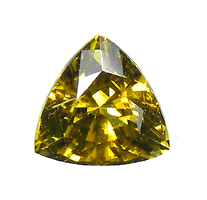
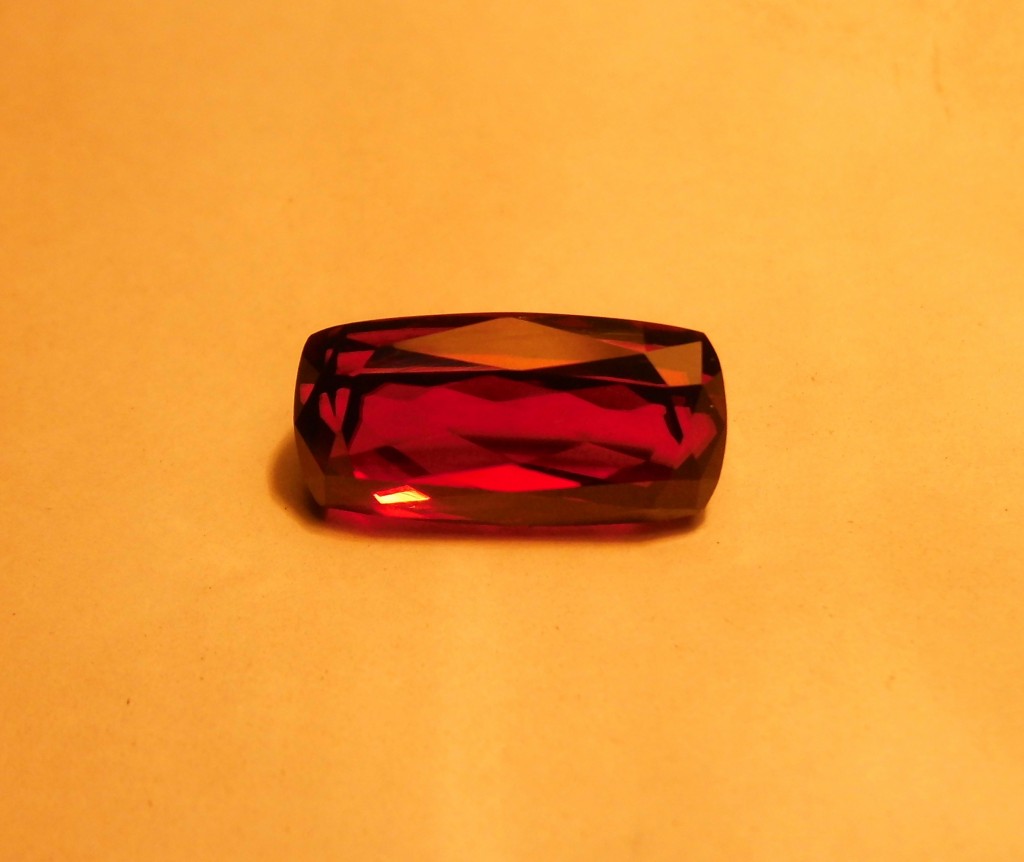
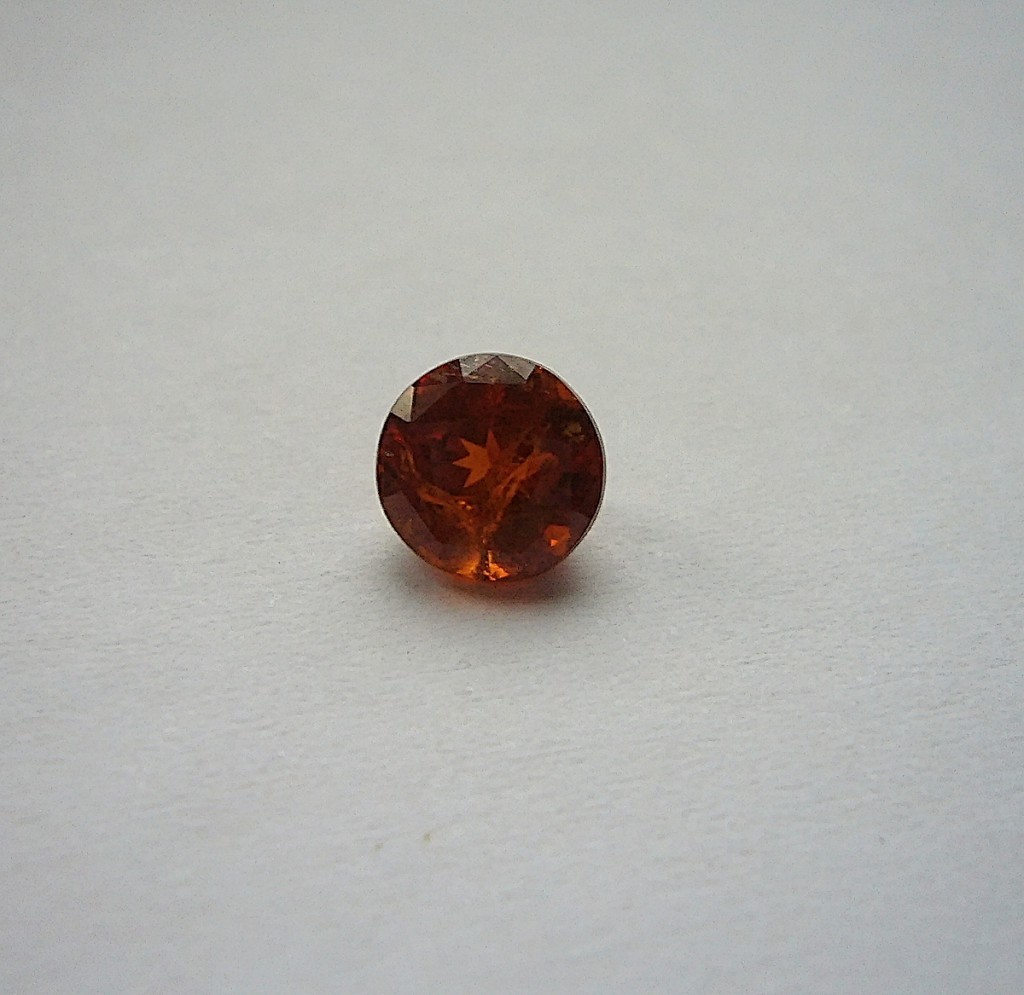
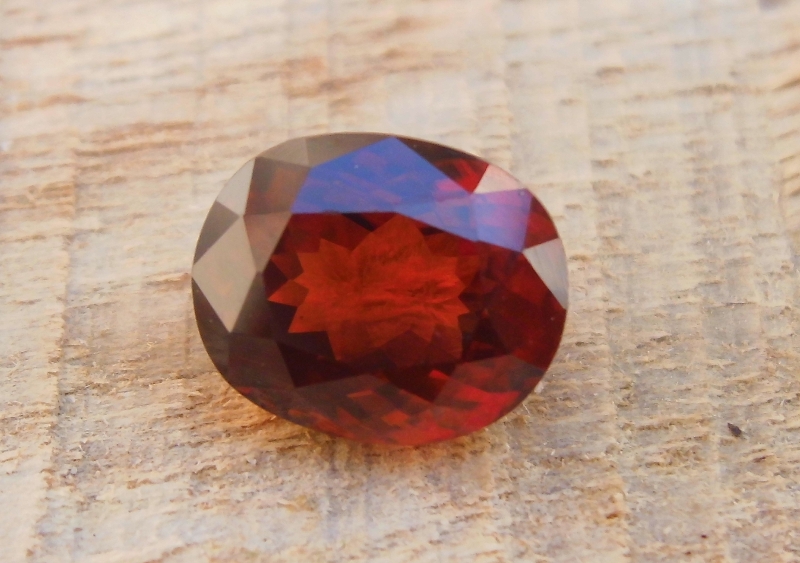
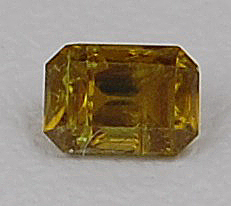
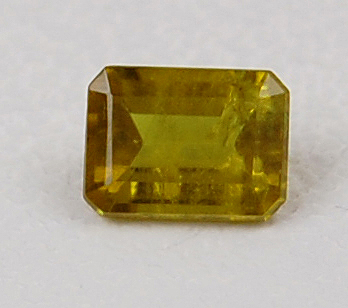
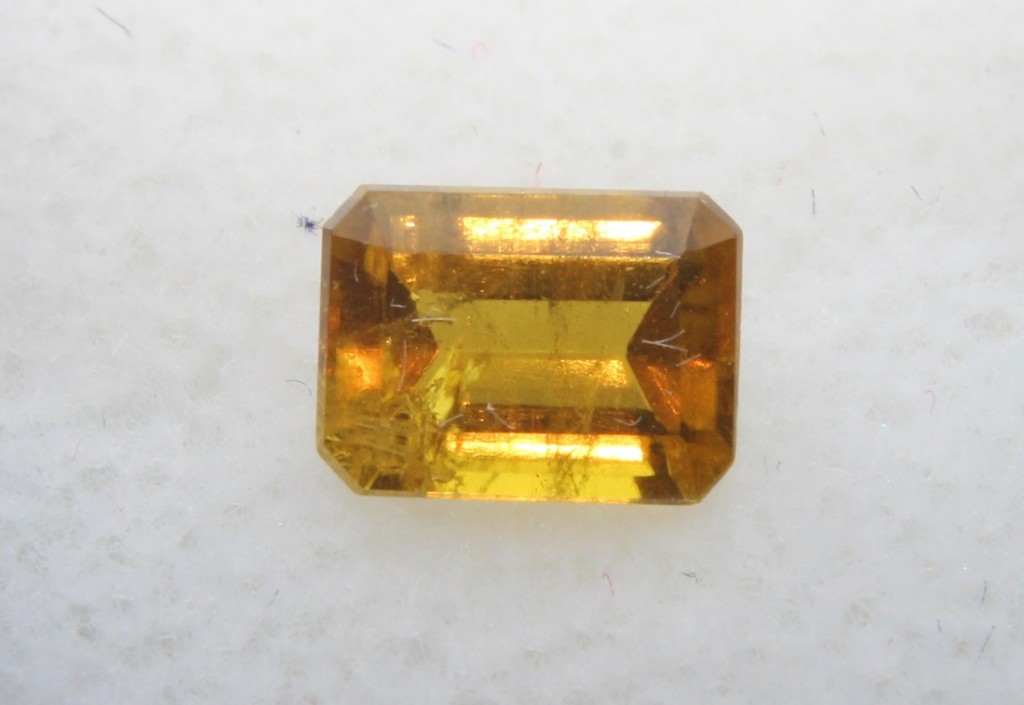
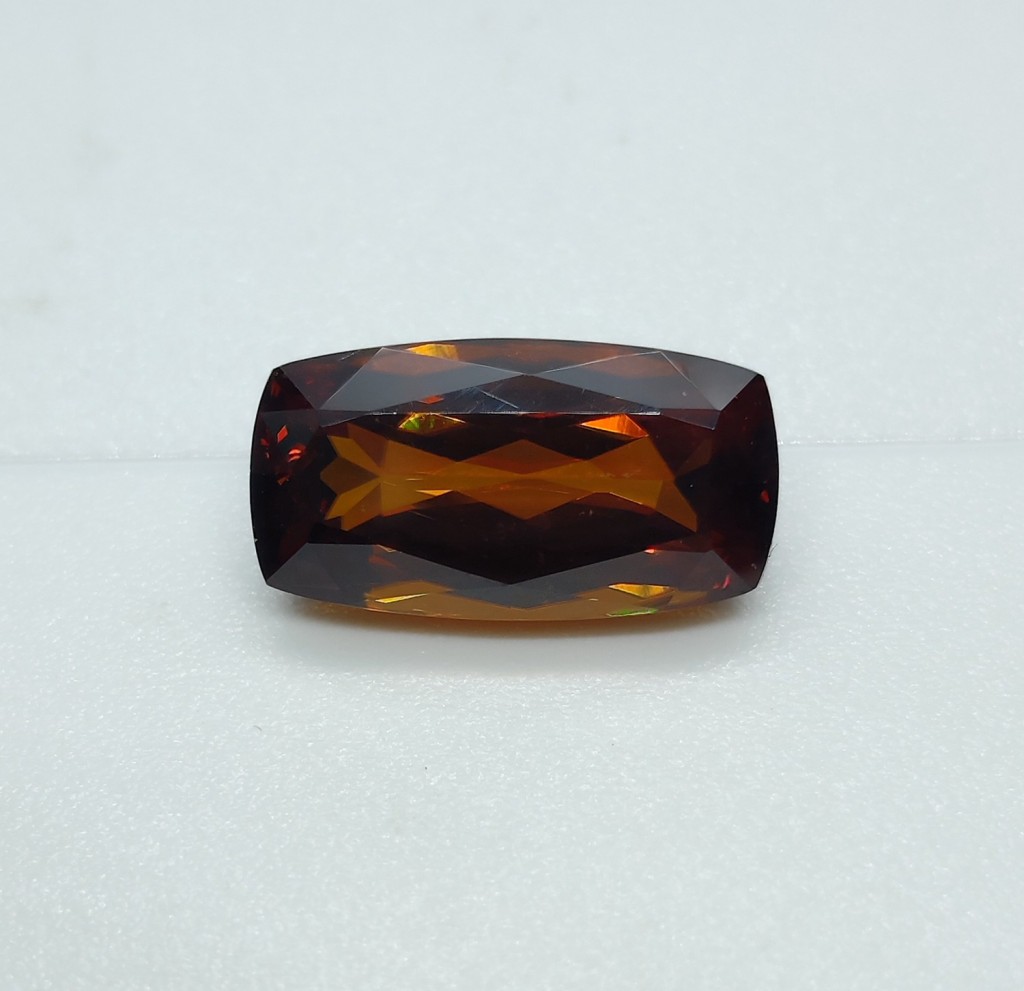
Bastnasite is found as dark orange brown to brown crystals.
Gem rough and cut stones are rare.
Colours
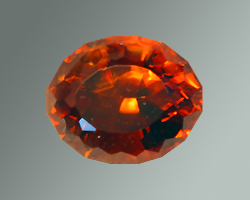
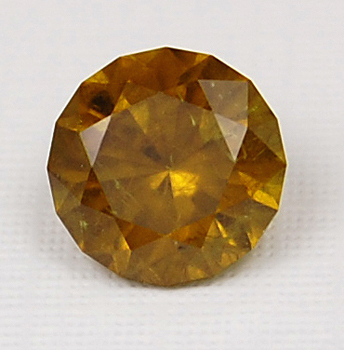
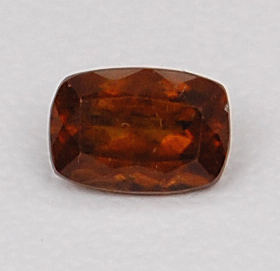
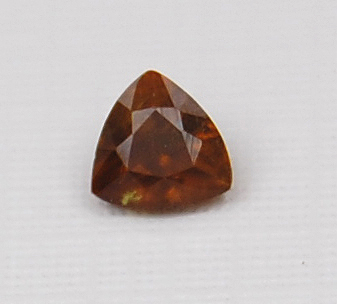
The colours of Bastnäsite on this site, from 25 graded photos. Choose a colour to see all of its photos.
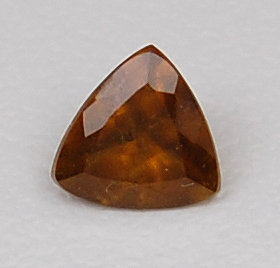
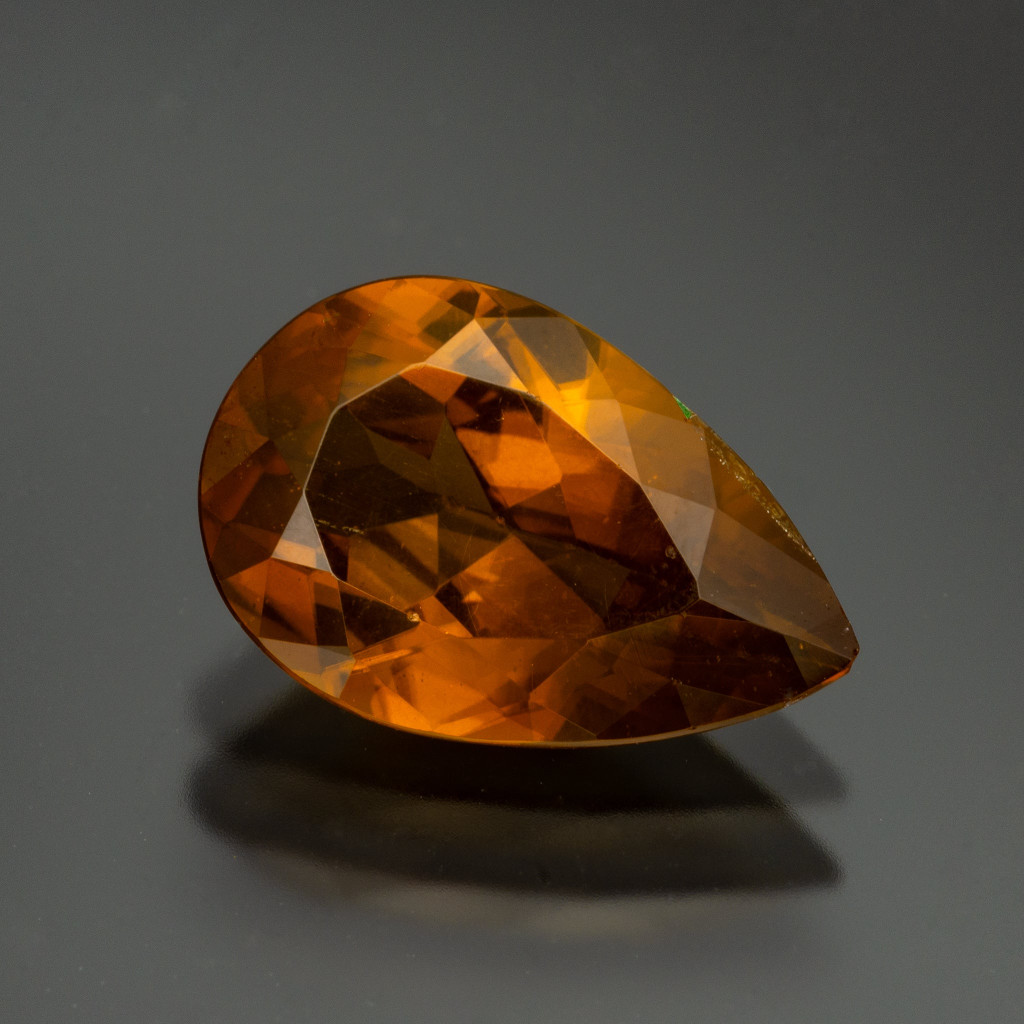
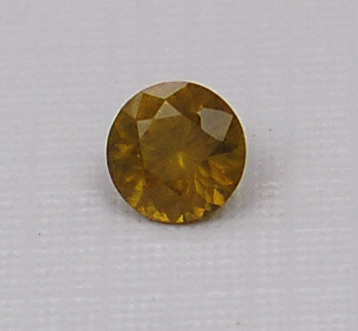
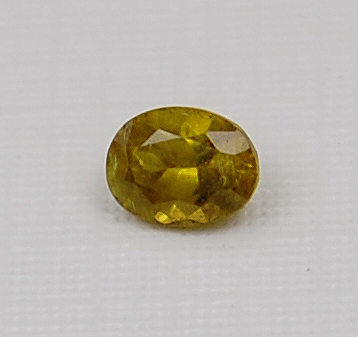
Cuts
-
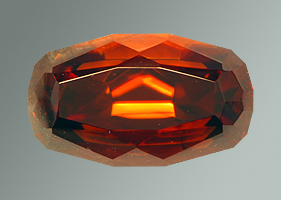 Cushion
7 photos
-
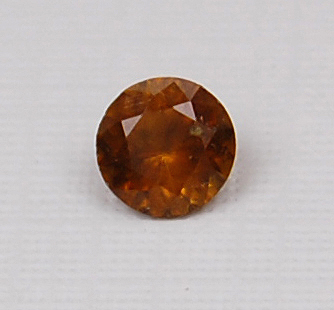 Round Brilliant
6 photos
-
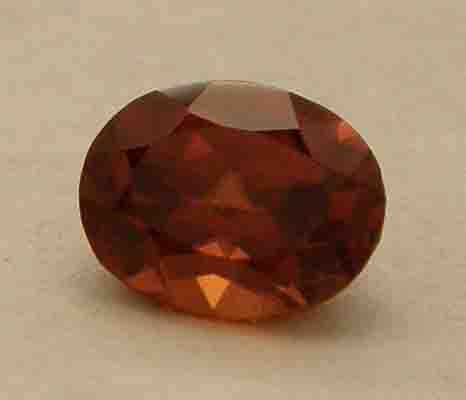 Oval
4 photos
-
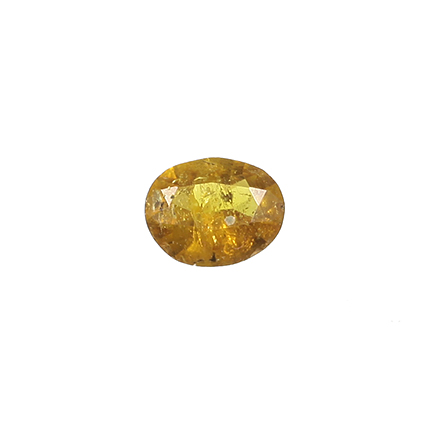 Oval Brilliant
3 photos
-
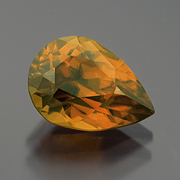 Pear
3 photos
-
Trillion
3 photos
-
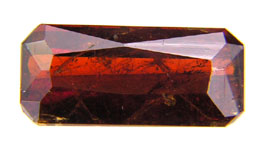 Emerald
2 photos
-
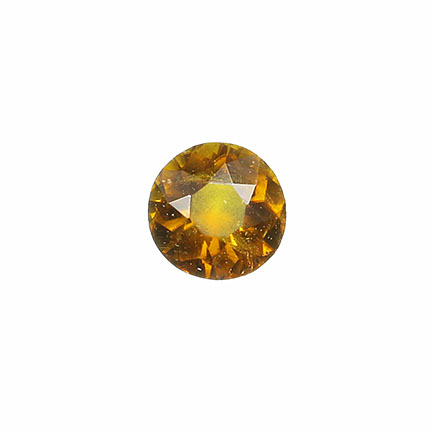 Round
2 photos
-
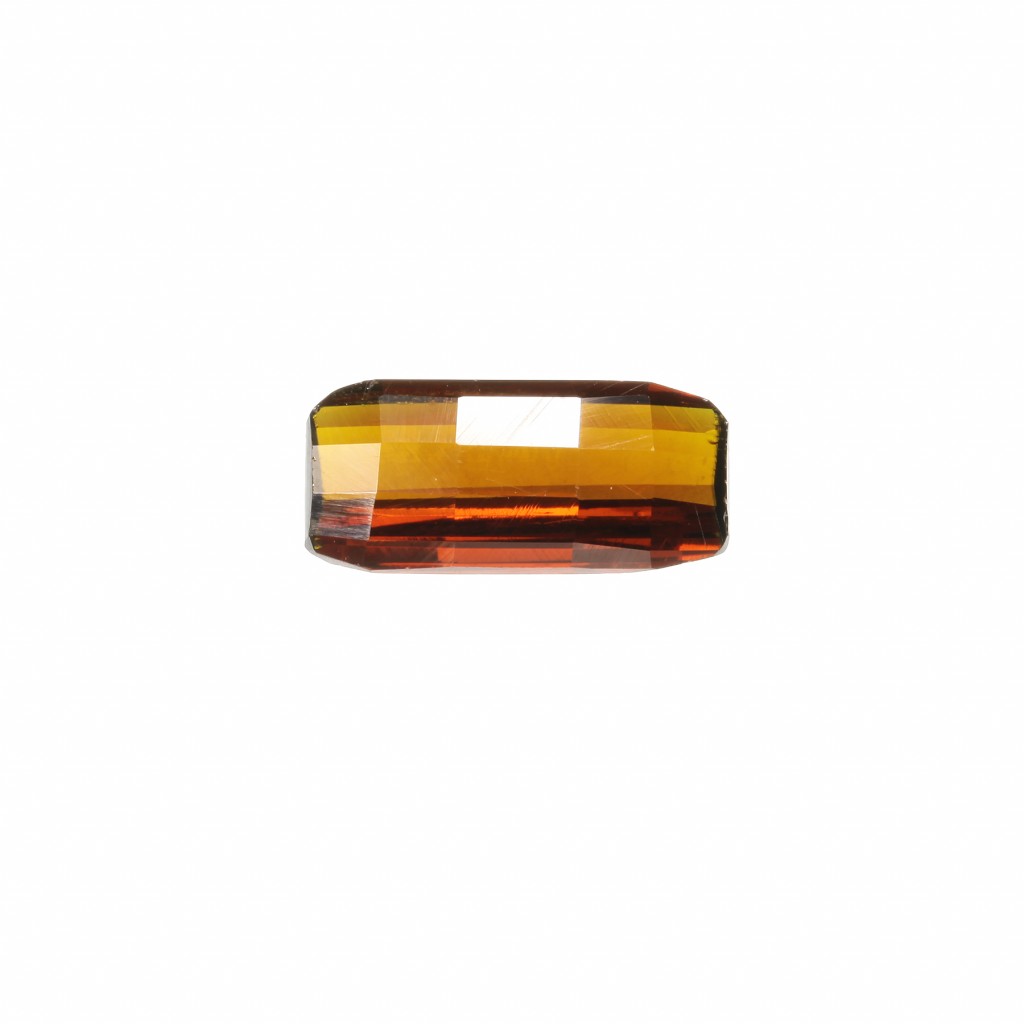 Fancy
1 photo
-
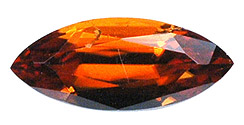 Marquise
1 photo
-
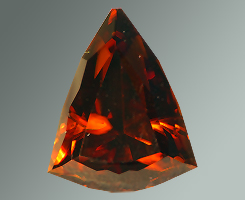 Shield
1 photo
-
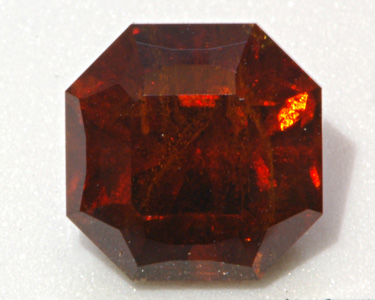 Square Brilliant
1 photo
-
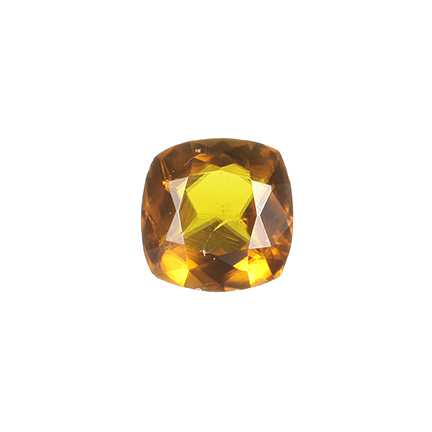 Square Cushion
1 photo
-
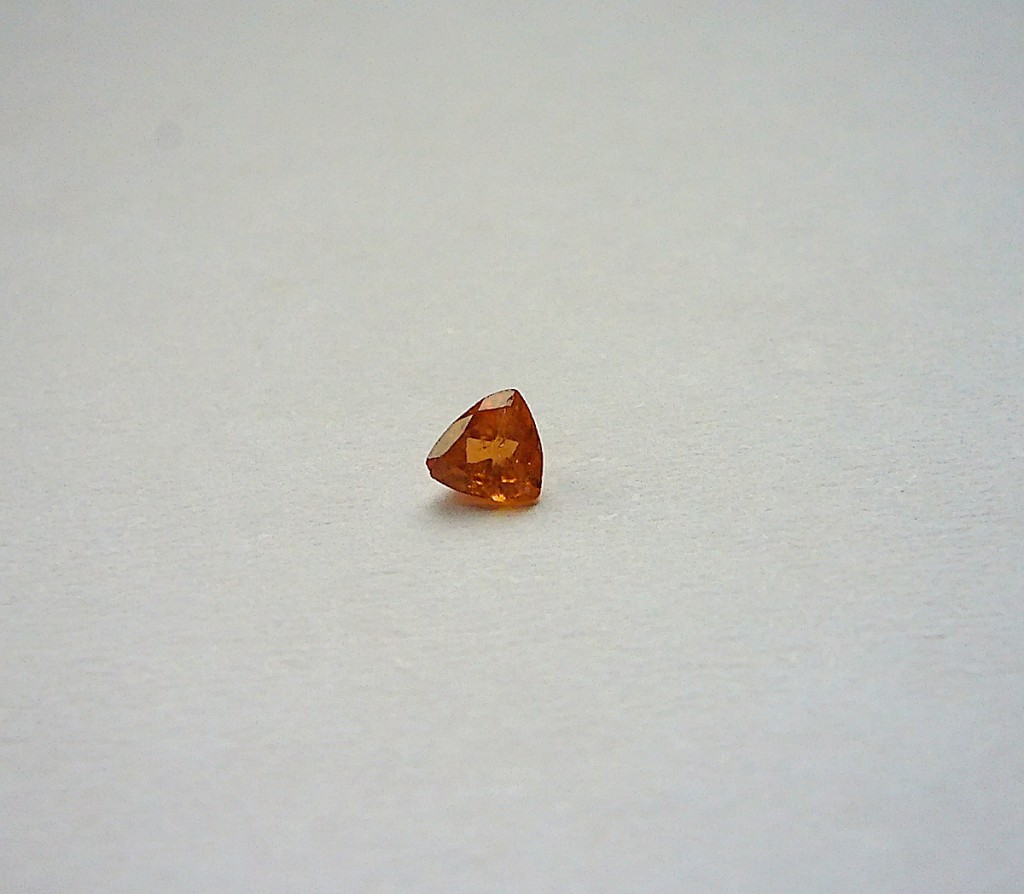 Triangle
1 photo
Sizes
Weights of the 42 photographed Bastnäsite gems on this site, a guide to how readily it is found in larger sizes. The scale is logarithmic. Choose a bar to see those gems.
Have a larger Bastnäsite? Add a photo.
Identification notes
From the Gray Gem ID Database.
Bastnäsite is found as dark orange brown to brown crystals. Gem rough and cut stones are rare.
Name: Bastnäsite is named after its discovery locality at Bastnäs, Ridar-hyttan district, Västmanland, Sweden.
- Rarity
- Rare
- Chemical class
- Carbonate
- Formula
- (Ce,La)(CO₃)F
- Critical angle (°)
- 35.6
- Dispersion (B–G)
- Mod
- Doubling
- 0.032 mm per 1 mm depth (approx.)
- Crystal class
- Ditrigonal Dipyramidal
Care
- Heat
- moderate?
Sources
| Country | Area | Importance |
|---|---|---|
| Pakistan | ||
| Tanzania |
References (1)
- Anthony, J.W., Bideaux, R.A., Bladh, K.W. and Nichols, M.C. (1990–2003) Handbook of Mineralogy. Chantilly, VA, Mineralogical Society of America, 5 Vols.
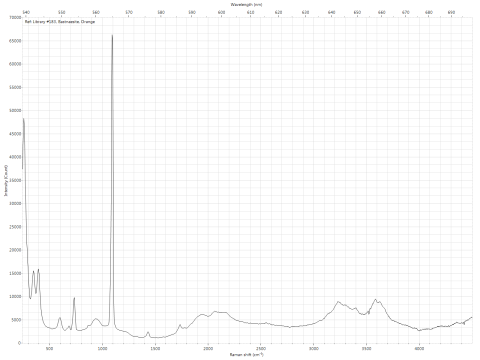
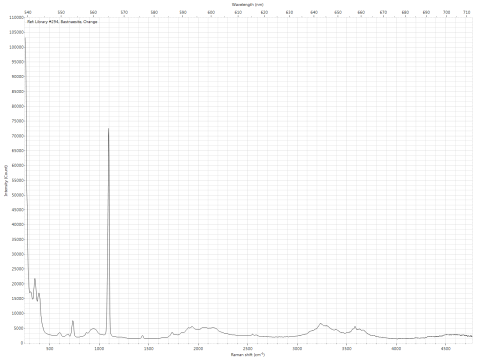
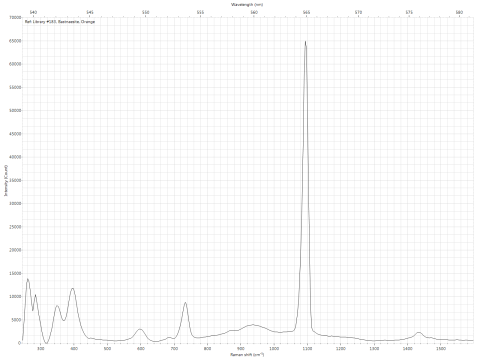
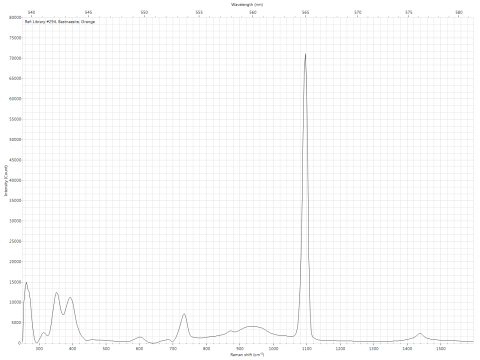
Reference spectra
4 spectra of documented Bastnäsite reference stones (2 PL, 2 Raman). From the Gray Gem ID Database.
General information
| Other Names/Trade Names: | ||||||
|---|---|---|---|---|---|---|
| Chemical Formula |
|
Physical properties
| Mohs Hardness | 4 to 4.5, Gemmological Tables (2004) More from other references |
|---|---|
| Specific Gravity | 4.78 to 5.20, Gemmological Tables (2004) More from other references |
| Cleavage Quality | Distinct,Poor, Gemstones (2009) Distinct - basal, Poor - prismatic |
| Fracture | Uneven, Gemstones (2009) |
Optical properties
| Refractive Index | 1.72 to 1.82, Gemmological Tables (2004) More from other references |
|---|---|
| Optical Character | Uniaxial/+, Gemmological Tables (2004) More from other references |
| Birefringence | 0.100, Gemmological Tables (2004) More from other references |
| Pleochroism | Weak, Gemstones (2009) |
| Dispersion | Nil, Gemstones (2009) |
Colour
| Colour (General) | Orange-brown, brown, Gemmological Tables (2004) More from other references |
|---|---|
| Transparency | Transparent, Gemmological Tables (2004) More from other references |
| Lustre | Vitreous,Pearly, Gemstones (2009) |
Crystallography
| Crystal System | Hexagonal, Gemmological Tables (2004) More from other references |
|---|---|
| Habit | Short prisms, Tabular rounded, Gemstones (2009) More from other references |
Geological environment
| Where found: | Occurs in bauxite deposits, carbonatites and rarely in unusual granites. Sometimes in hydrothermal sources., Gemstones (2009) |
|---|