
Beryl
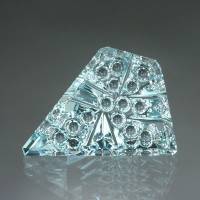
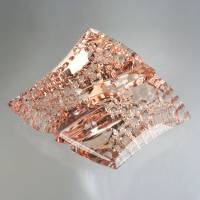
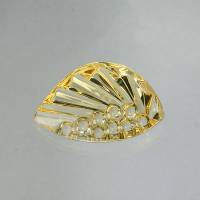
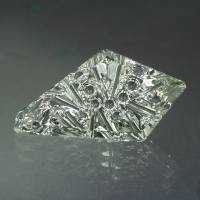
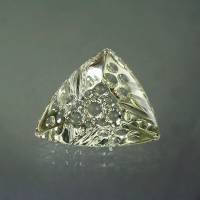
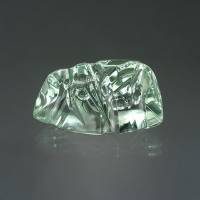
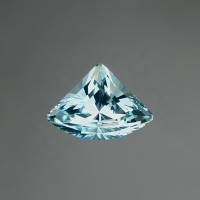
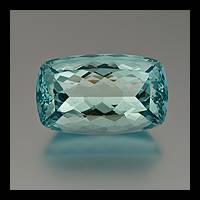
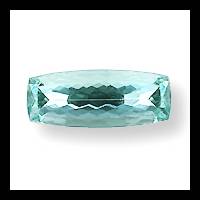
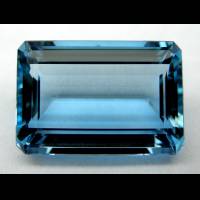
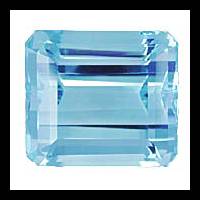
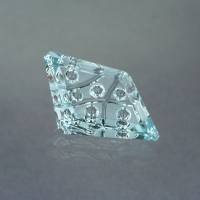
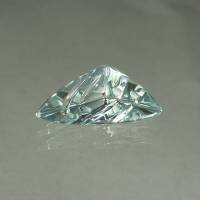
AquamarineAquamarine Dreamscape Cut
15.90 carats
© johndyergems.com
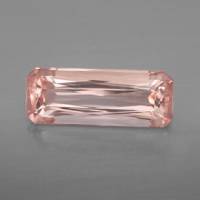
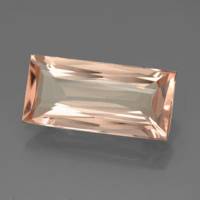
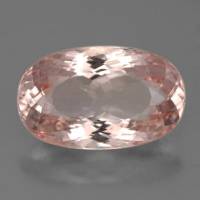
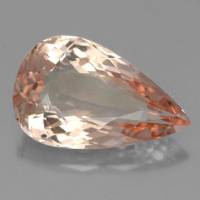
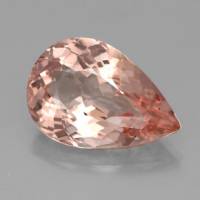
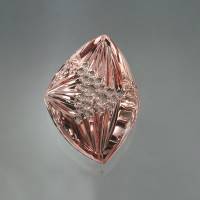
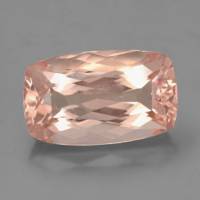
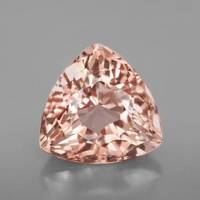
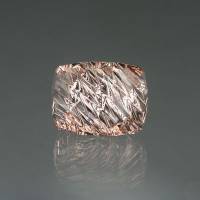
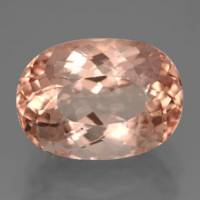
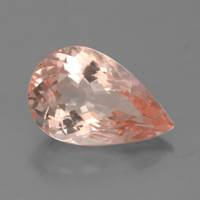
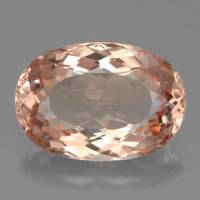
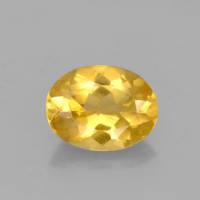
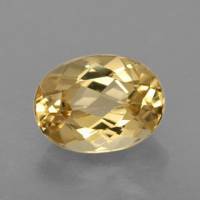
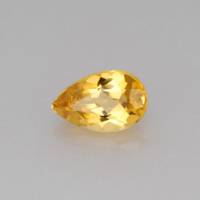
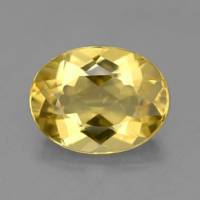
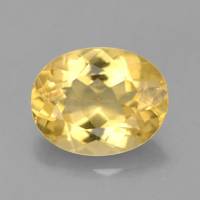
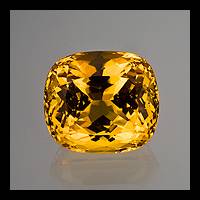
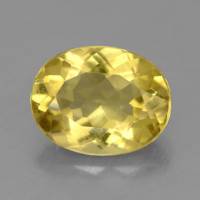
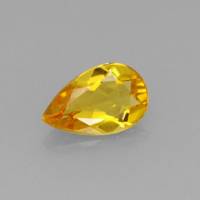
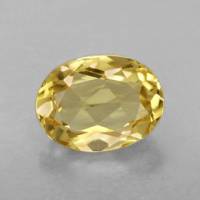
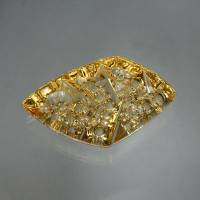
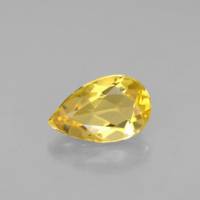
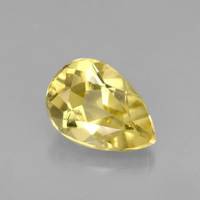
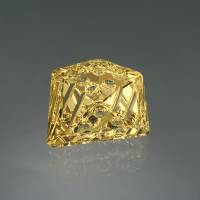
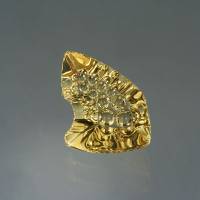
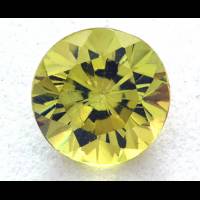
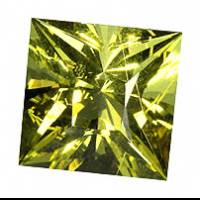
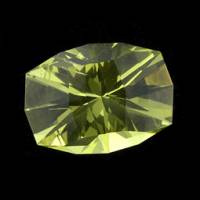
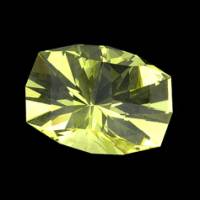
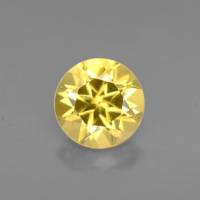
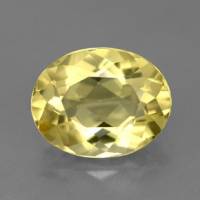
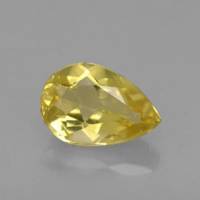
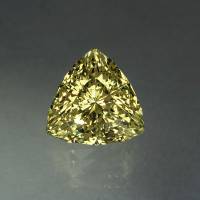
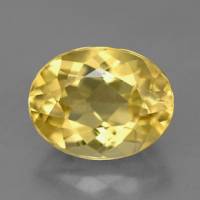
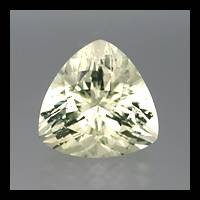
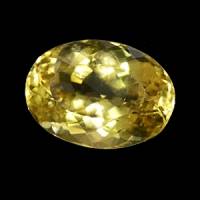
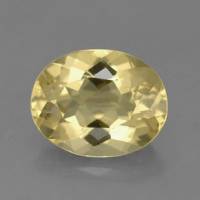
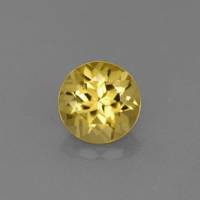
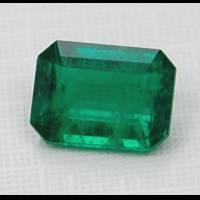
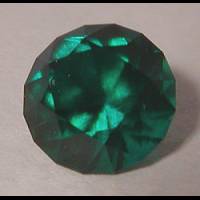
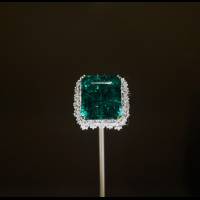
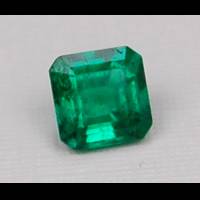
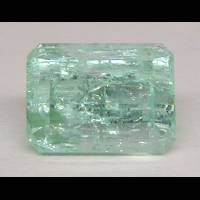
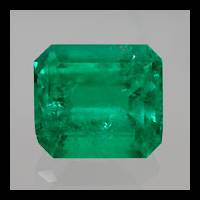
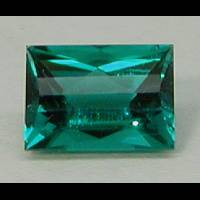
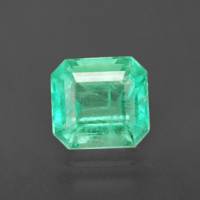
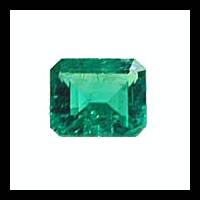
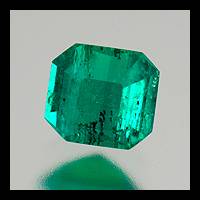
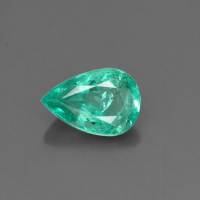
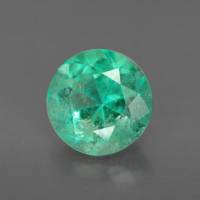
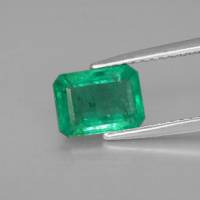
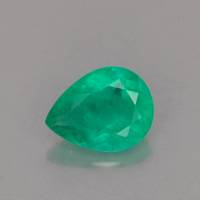
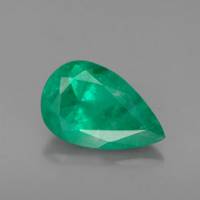
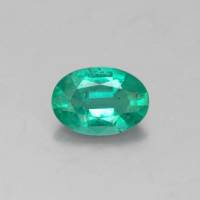
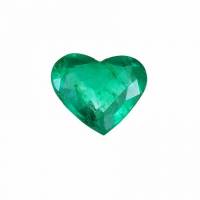
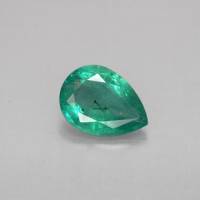
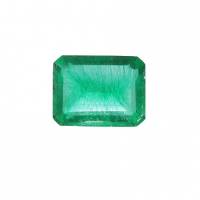
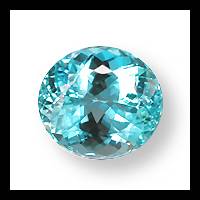
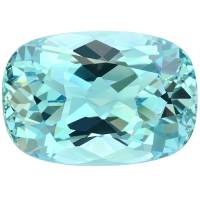
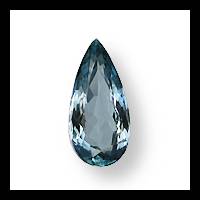
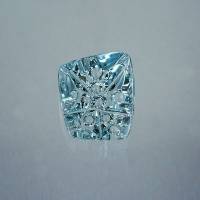
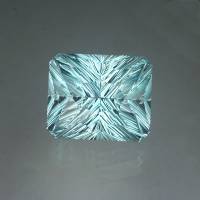
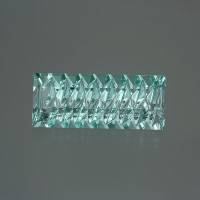
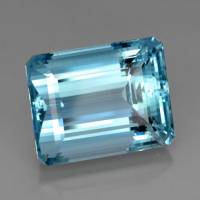
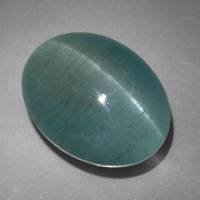
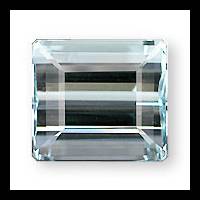
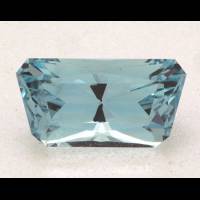
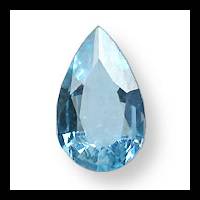
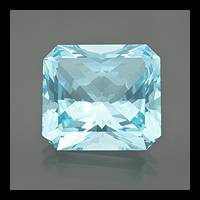
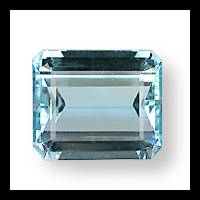
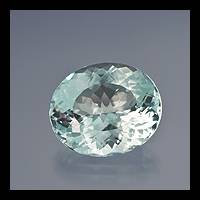
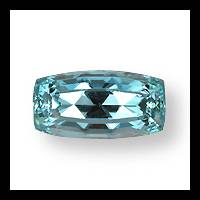
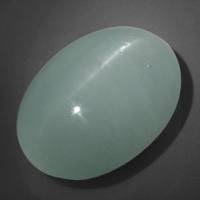
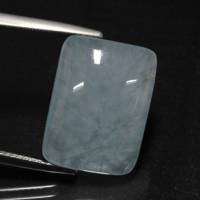
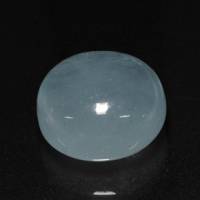
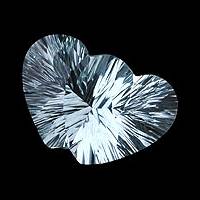
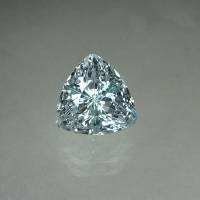
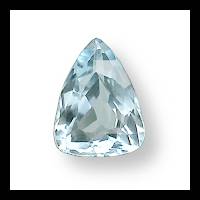
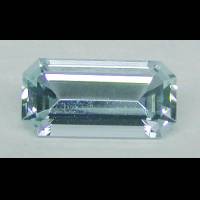
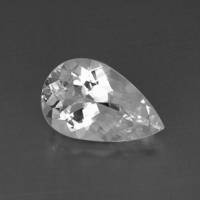
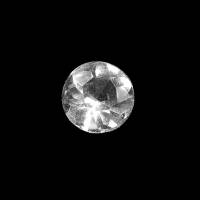
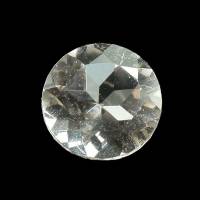
Several colour varieties of beryl are used as gemstones. Deep green beryls are called emeralds, greenish blue to pure blue - aquamarine, pale, almost colourless - goshenite, light yellow-green to golden-yellow - heliodor, rose and pink beryl is morganite, red variety is bixbite. Maxixe-type beryl is characterized by a bright blue colour which fades in the sunlight.
The crystals are prismatic, they may be very large, even gigantic and in pegmatites may reach lengths of 2 to 3 m and widths of 0.5 to 1 m.
Beryl Gemstones by Colour
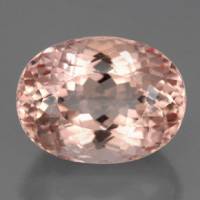
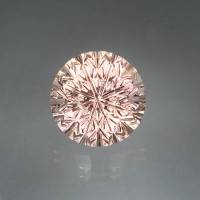
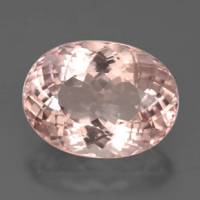
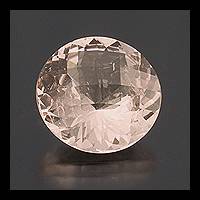
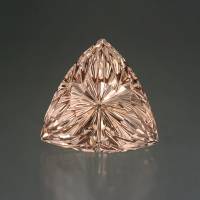
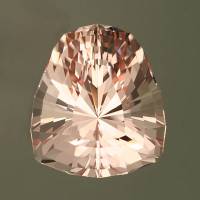
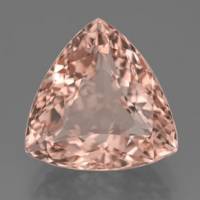
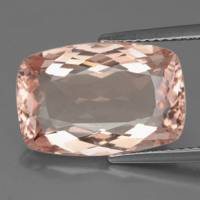
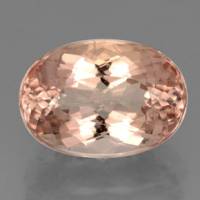
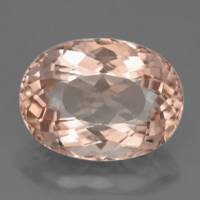
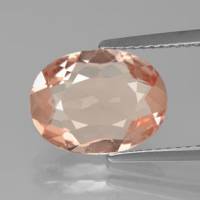
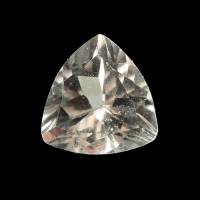
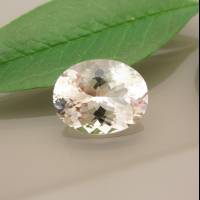
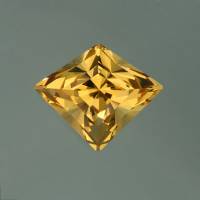
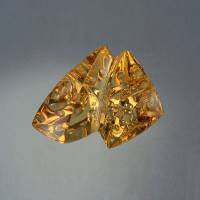
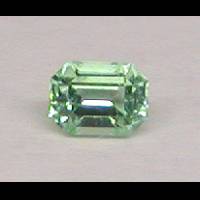
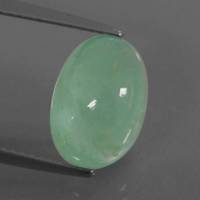
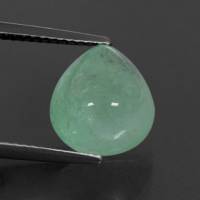
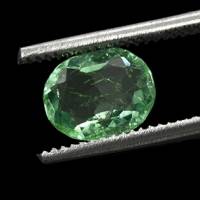
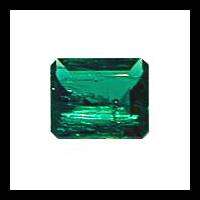
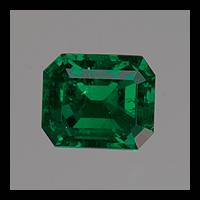
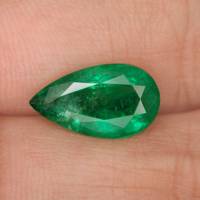
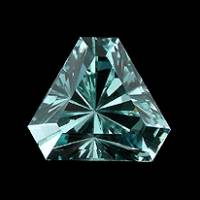
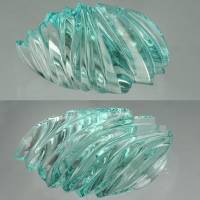
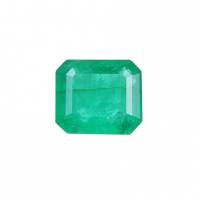
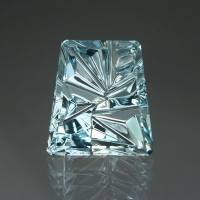
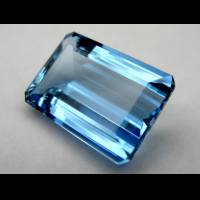
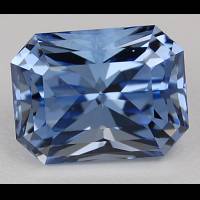
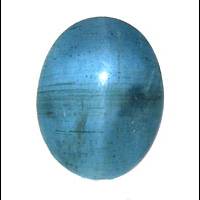
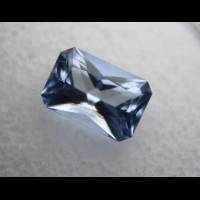
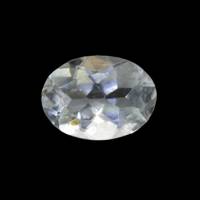
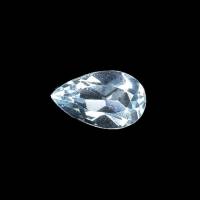
This table shows the variety of hues this gemstone can be found in. Click on a photo for more information.
 |  |  |  |  |  |  |  |  |  |  | 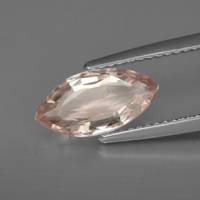 | 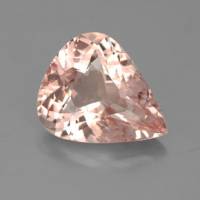 | 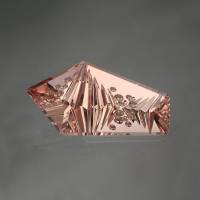 | 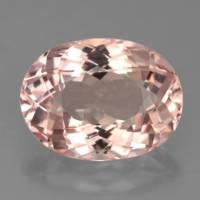 |  |
 |  |  |  |  |  |  |  |  |  |  |  |  |  |  |  |
 |  |
 |  |  |  |  |  |  | 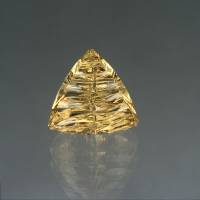 | 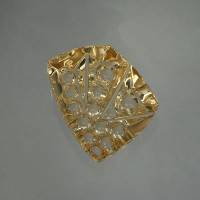 |
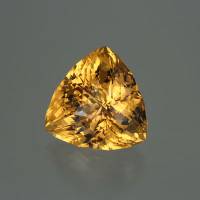 | 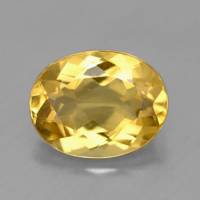 |  |  |  |  |  |  |  |  |  |  |  |  |  |  |
 |  |  |  |  |  |  |  |  |  |  |  |  | 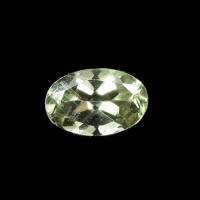 |
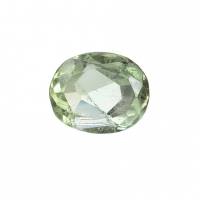 | 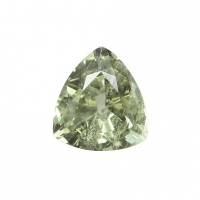 | 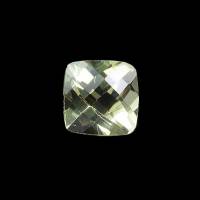 |
 |  |  |  |  |  |  |  |  |
 |  |  |  |  |  |  |  |  |  |  |  | 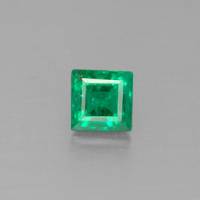 |  | 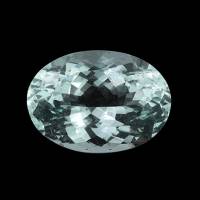 | 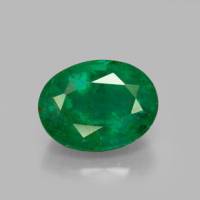 |
 |  |  |  |  |  |  |  |  |  |  |  |  |
|  |  |  |  |  |  |  |  |  |  |  |  |  |  |  |
 |  |  |
 |  |  |  |  |  |  |  |  |  |  |  |  |  | 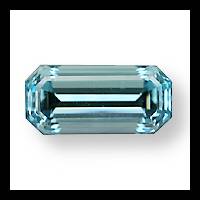 | 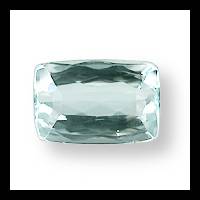 |
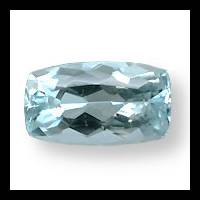 | 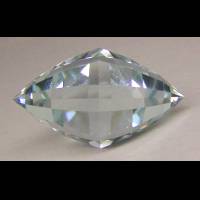 |  |  |  |  |  |  |  |  |  |  |  |  |  |  |
 |  |  |
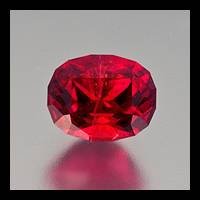 | 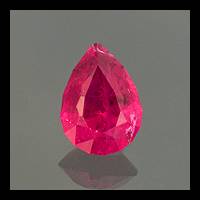 | 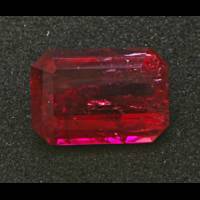 | 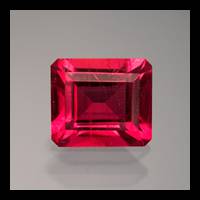 | 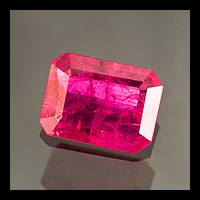 | 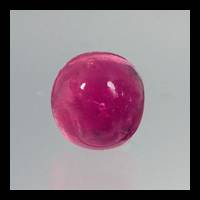 |
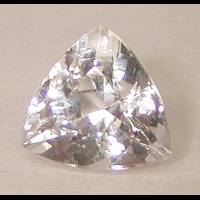 | 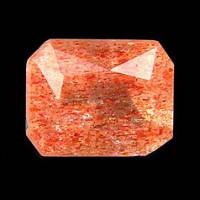 | 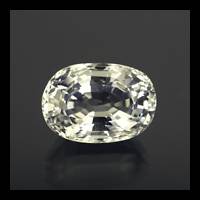 | 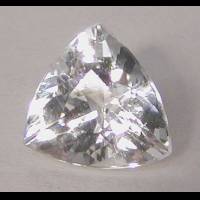 | 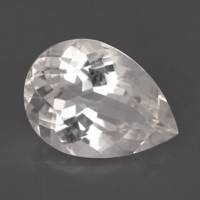 | 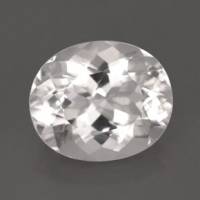 |  |  |  |
Beryl Gemstones by Size
This table shows distribution of Beryl gemstone sizes that are listed on this site. This can give a good indication as to the general availability of this gemstone in different sizes.
Contributed photos
Lightest:0.10 cts
Heaviest:115.66 cts
Average:7.43 cts
Total photos:346
Do you have a larger Beryl? Why not upload a photo?
Significant stones
Papamel552,500 cts
Marta Rocha173,500 cts
Quarto Centario110,000 cts
Esterela de Alve96,000 cts
Dom Pedro aquamarine10,363 cts
| General Information | ||||||||||||||||||||||||||||||||||||||||||||||
|---|---|---|---|---|---|---|---|---|---|---|---|---|---|---|---|---|---|---|---|---|---|---|---|---|---|---|---|---|---|---|---|---|---|---|---|---|---|---|---|---|---|---|---|---|---|---|
| Varieties/Types: | Aquamarine - Blue/green variety of beryl. Blue Beryl (Maxixe) - Deep blue beryl. Emerald - Deep green variety of a beryl. Goshenite - Colorless variety of beryl. Heliodor - Yellow variety of beryl. Morganite - Pink variety of beryl. Red Beryl - A red gem variety of beryl, also known as 'bixbite', Riesling Beryl - A strongly dichroic (pale green / golden yellow) beryl. Vorobyevite - A caesium-bearing variety of beryl. | |||||||||||||||||||||||||||||||||||||||||||||
| Chemical Formula |
| |||||||||||||||||||||||||||||||||||||||||||||
| Significant stones | ||||||||||||||||||||||||||||||||||||||||||||||
| ||||||||||||||||||||||||||||||||||||||||||||||
| Beryl Treatments | ||||||||||||||||||||||||||||||||||||||||||||||
| Colourless, yellow-green, and pale beryls can be transformed into blue and dark blue aquamarines and bright blue maxixe-type beryls by heat treatment or irradiation by X-rays, gamma-rays, electrons, and by combining heat treatment and irradiation. - E.Ya. Kievlenko, Geology of gems, 2003, p. 72 | ||||||||||||||||||||||||||||||||||||||||||||||
| Synthetic Beryl | ||||||||||||||||||||||||||||||||||||||||||||||
| Beryl can be synthesized by such methods as: flux-fusion process (fluxing), hydrothermal process, gas transport reaction, and others. Mostly emerald is produced for commercial jewellery purposes. Synthesis of aquamarine and other gem varieties is considered commercially unprofitable (it is technically easier and cheaper to imitate them with synthetic corundum). A synthetic material, beryllium indialite, which is a structural analogue of beryl, and glasses of the same composition, which are easily synthesized, are promising for use as raw cutting material. - E.Ya. Kievlenko, Geology of gems, 2003, p. 72 | ||||||||||||||||||||||||||||||||||||||||||||||
| Physical Properties of Beryl | ||||||||||||||||||||||||||||||||||||||||||||||
| Mohs Hardness | 7.5 to 8, Blue Chart Gem Identification (2010) More from other references | |||||||||||||||||||||||||||||||||||||||||||||
| Specific Gravity | 2.60 to 2.90, Blue Chart Gem Identification (2010) More from other references | |||||||||||||||||||||||||||||||||||||||||||||
| Cleavage Quality | Indistinct, Gemstones (2009) | |||||||||||||||||||||||||||||||||||||||||||||
| Fracture | Uneven,Conchoidal, Geology of gems (2003) More from other references | |||||||||||||||||||||||||||||||||||||||||||||
| Optical Properties of Beryl | ||||||||||||||||||||||||||||||||||||||||||||||
| Refractive Index | 1.560 to 1.604, Blue Chart Gem Identification (2010) More from other references | |||||||||||||||||||||||||||||||||||||||||||||
| Optical Character | Uniaxial/-, Blue Chart Gem Identification (2010) More from other references | |||||||||||||||||||||||||||||||||||||||||||||
| Birefringence | 0.003 to 0.010, Blue Chart Gem Identification (2010) More from other references | |||||||||||||||||||||||||||||||||||||||||||||
| Pleochroism | Red beryl - distinct: (orangy)-red - purplish-red; Golden beryl - weak: yellowish - greenish-yellow; Green beryl - distinct: yellow-green - blue-green, Blue Chart Gem Identification (2010) More from other references | |||||||||||||||||||||||||||||||||||||||||||||
| Dispersion | 0.014, Gems, Sixth Edition (2006) More from other references | |||||||||||||||||||||||||||||||||||||||||||||
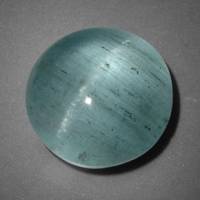
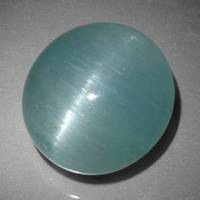
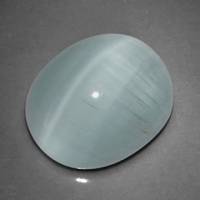
| Chatoyancy | Star: may show brownish to black body color, "colorless" when viewed from the side, Blue Chart Gem Identification (2010) | |||||||||||||||||||||||||||||||||||||||||||||
| Colour | ||||||||||||||||||||||||||||||||||||||||||||||
| Colour (General) | Colourless, green, blue, yellow, yellow-green, pink, red, Gemmological Tables (2004) More from other references | |||||||||||||||||||||||||||||||||||||||||||||
| Causes of Colour | Dark blue (Maxixe and Maxixe type), CO3(Maxixe-type), and NO3 (Maxixe) color centers due to irradiation. Light blue (aquamarine), Fe2+ in the channels of the structure. Darker blue (aquamarine), Fe2+-O-Fe3+ intervalence charge transfer. Green: yellow + blue, O2→Fe2 charge transfer and Fe2+ in the channels. Green (emerald, mint beryl), Cr3+ and/or V3+ in octahedral coordination. Red, Mn3+ in octahedral coordination. Pink (morganite), Mn2+ in octahedral coordination, Pragmatic Spectroscopy For Gemologists (2011) | |||||||||||||||||||||||||||||||||||||||||||||
| Transparency | Transparent,Translucent, Gemmological Tables (2004) More from other references | |||||||||||||||||||||||||||||||||||||||||||||
| Lustre | Vitreous, Gemstones (2009) | |||||||||||||||||||||||||||||||||||||||||||||
| Crystallography of Beryl | ||||||||||||||||||||||||||||||||||||||||||||||
| Crystal System | Hexagonal, Blue Chart Gem Identification (2010) More from other references | |||||||||||||||||||||||||||||||||||||||||||||
| Habit | Prismatic, Gemstones (2009) | |||||||||||||||||||||||||||||||||||||||||||||
| Geological Environment | ||||||||||||||||||||||||||||||||||||||||||||||
| Where found: | Beryl minerals occur in granites and granite pegmatites, in mafic metamorphic rocks and in high-temperature hydrothermal veins and in vugs in rhyolite., Gems, Sixth Edition (2006) | |||||||||||||||||||||||||||||||||||||||||||||
| Spectrographic Data | ||||||||||||||||||||||||||||||||||||||||||||||
| Calculated Spectra: Click spectra for more information | Emerald - Locality: Synthetic Emerald - Locality: Synthetic (manufactured in China) Emerald - Locality: Muzo, Colombia | |||||||||||||||||||||||||||||||||||||||||||||
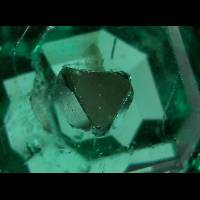
| Planes of tiny 2 phase inclusions - Blue Chart Gem Identification, Herve Nicolas Lazzarelli, 2010, p 6 | ||||||||||||||||||||||||||||||||||||||||||||||
| ||||||||||||||||||||||||||||||||||||||||||||||
